





Extending the classroom: Happening Now
Posted in
Notifications,
< 1min Read
Keep Learning
English,
Social Sciences,
< 1min Read
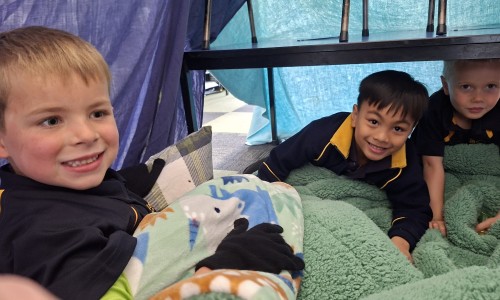
The joy of Pūrākau Sparks Room 5’s Fort Day
Your child can probably name their favourite book. Can they also tell you what part they like and why? Room 5 has been learning how to answer that qu…

< 1min Read
Wairakei Conquers Mud, Hills and Cow Paddocks
Cold air, sunshine and paddocks dotted with cow pats set the scene for this year's cross country. Every student, from new entrants to Year 6, ran a co…

< 1min Read
Celebration time: our new Junior Playground is open
There is nothing quite like the sound of a playground full of happy children. The brand-new Junior Playground opened in July, and from the very first …
< 1min Read
What’s It Really Like to Start School at Wairakei Primary
Why should my child start at Wairakei Primary School?
What’s in it for me? Fair question. Starting school is a big deal. Not just for the five-year-…
What’s in it for me? Fair question. Starting school is a big deal. Not just for the five-year-…
1 min Read
Celebration of Learning Term 2, 2026
It is an art to teach what you have learnt. And quite a challenge to make it meaningful, high-end, and truly engaging. The students from all classes p…
< 1min Read
Jumping June 2026
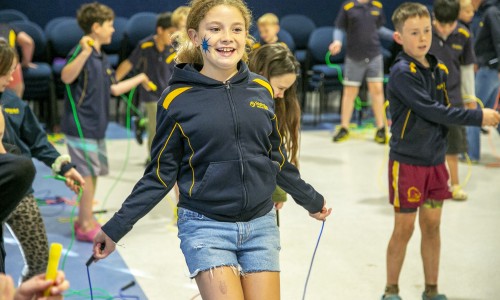
What an absolutely fantastic day for the Jumping June event! The school hall was alive with energy, laughter, and an incredible sea of whare taiki col…
Why Wairakei
A Year 0 to Year 6 primary school in Taupō where ākonga rise to success — and where you can see, before you decide, exactly how.
Photo Day – Sports / extra-curricular
Extra-Curricular, Sports Teams and wash up
Wed, Nov. 4, 2026
Add to your calendar
Support our sponsors who support us