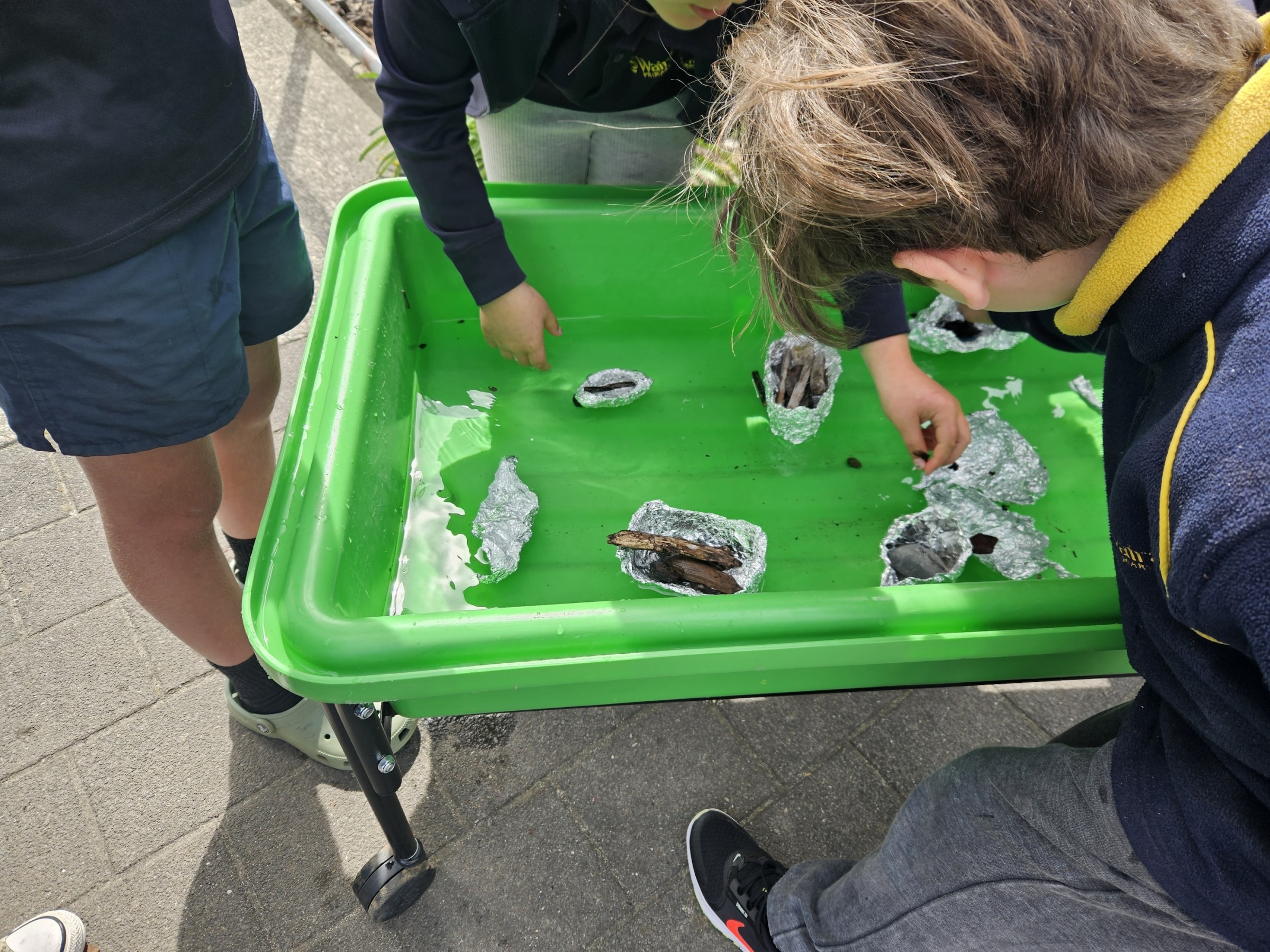
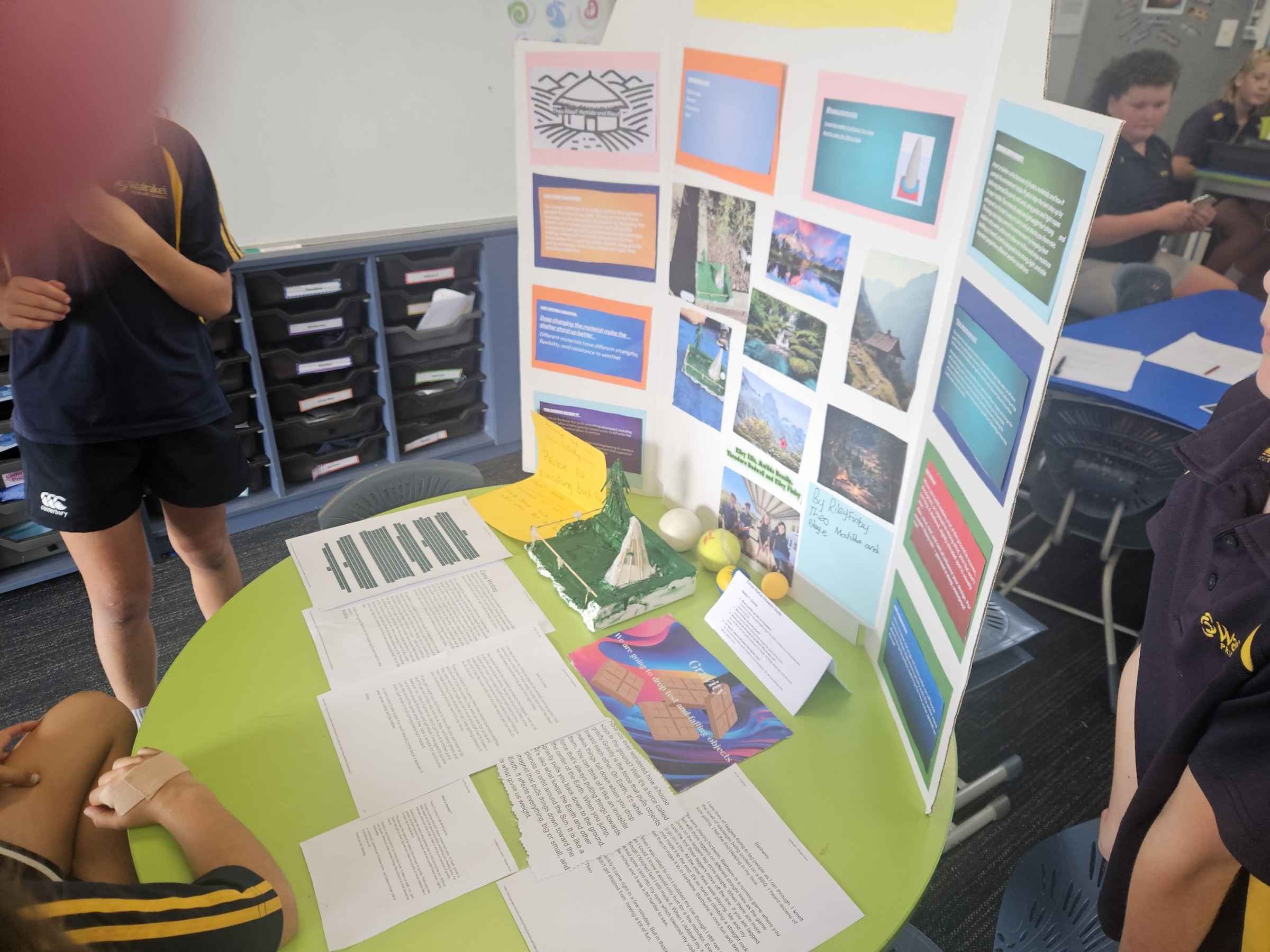
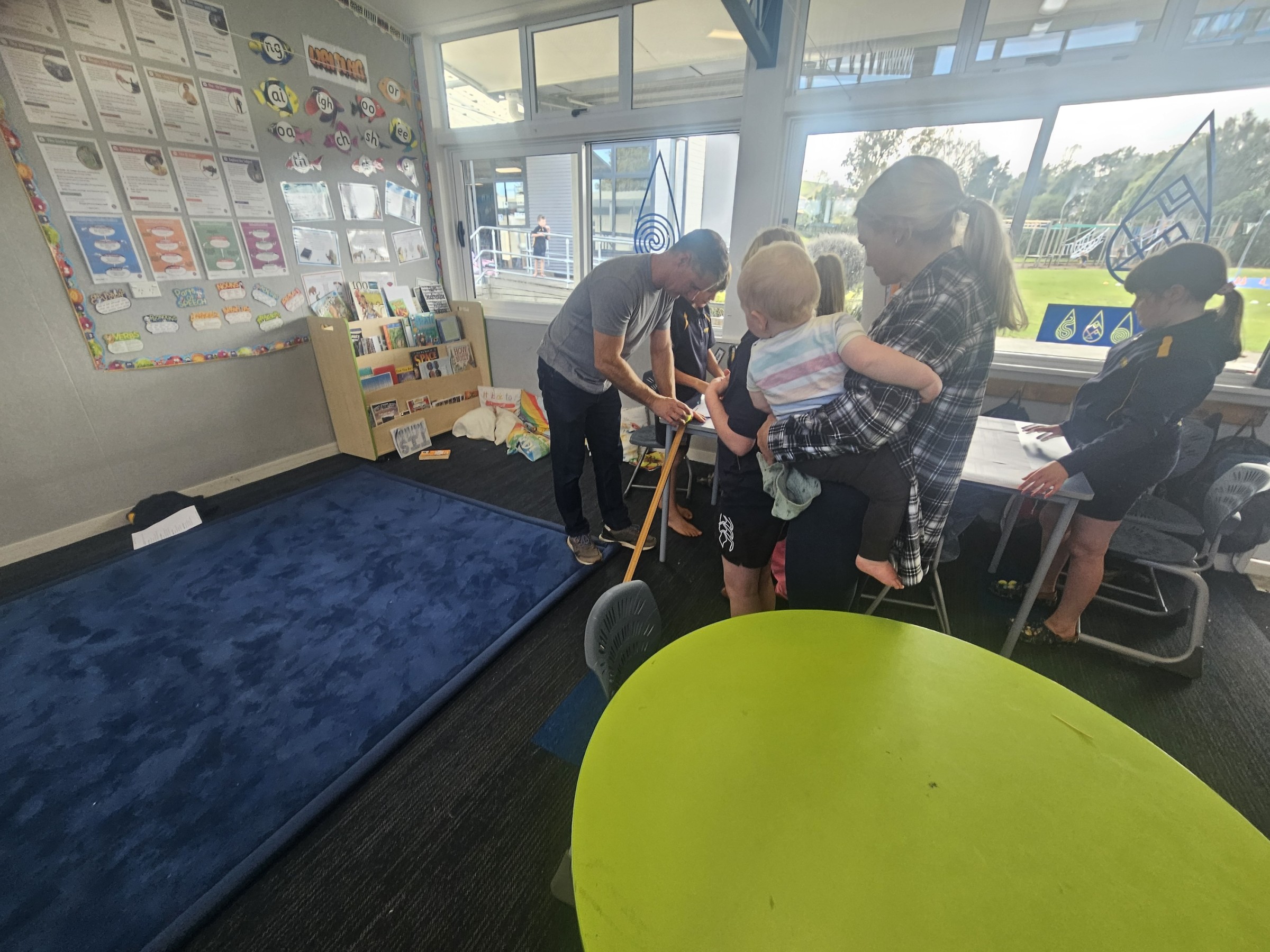
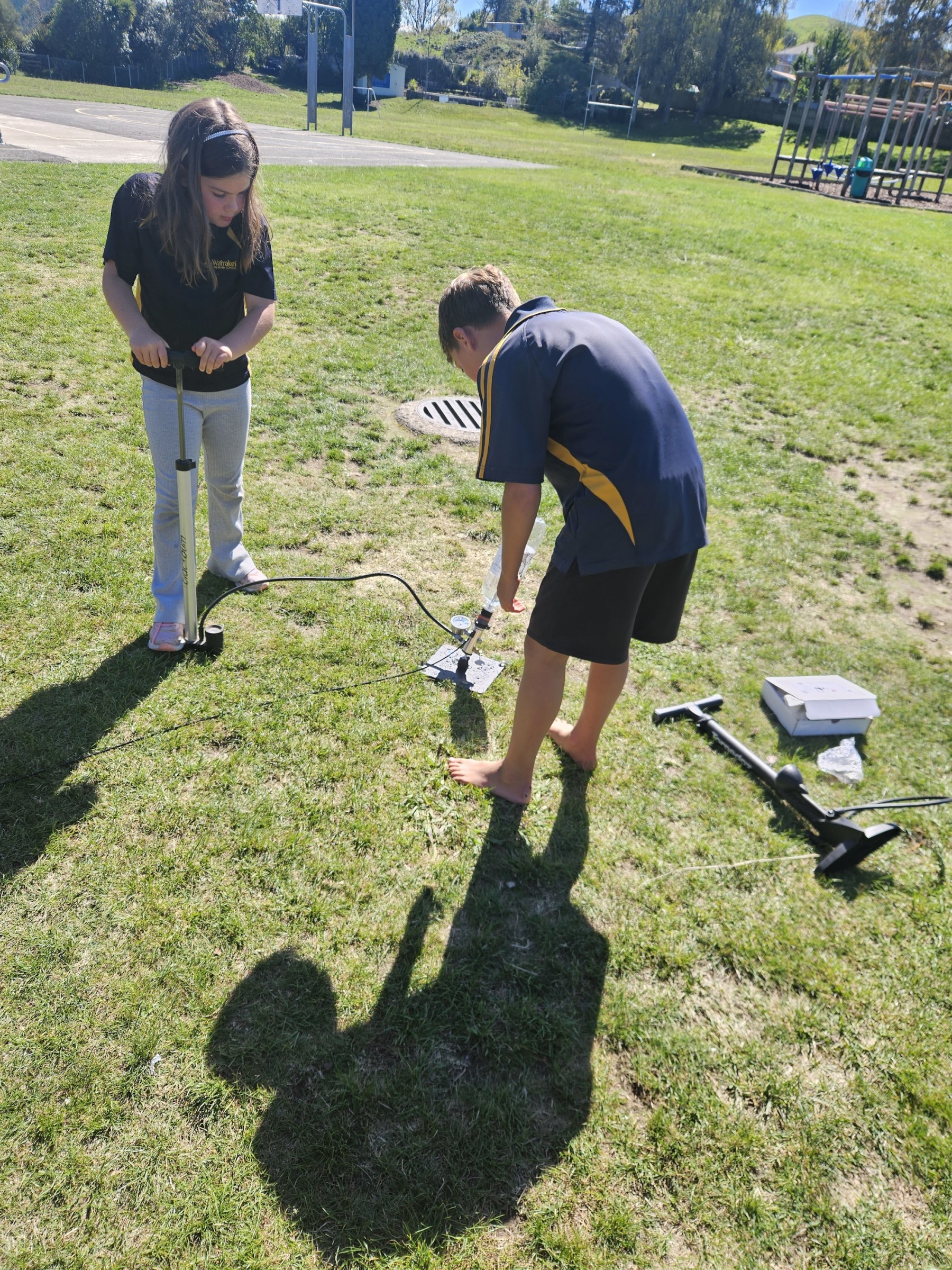
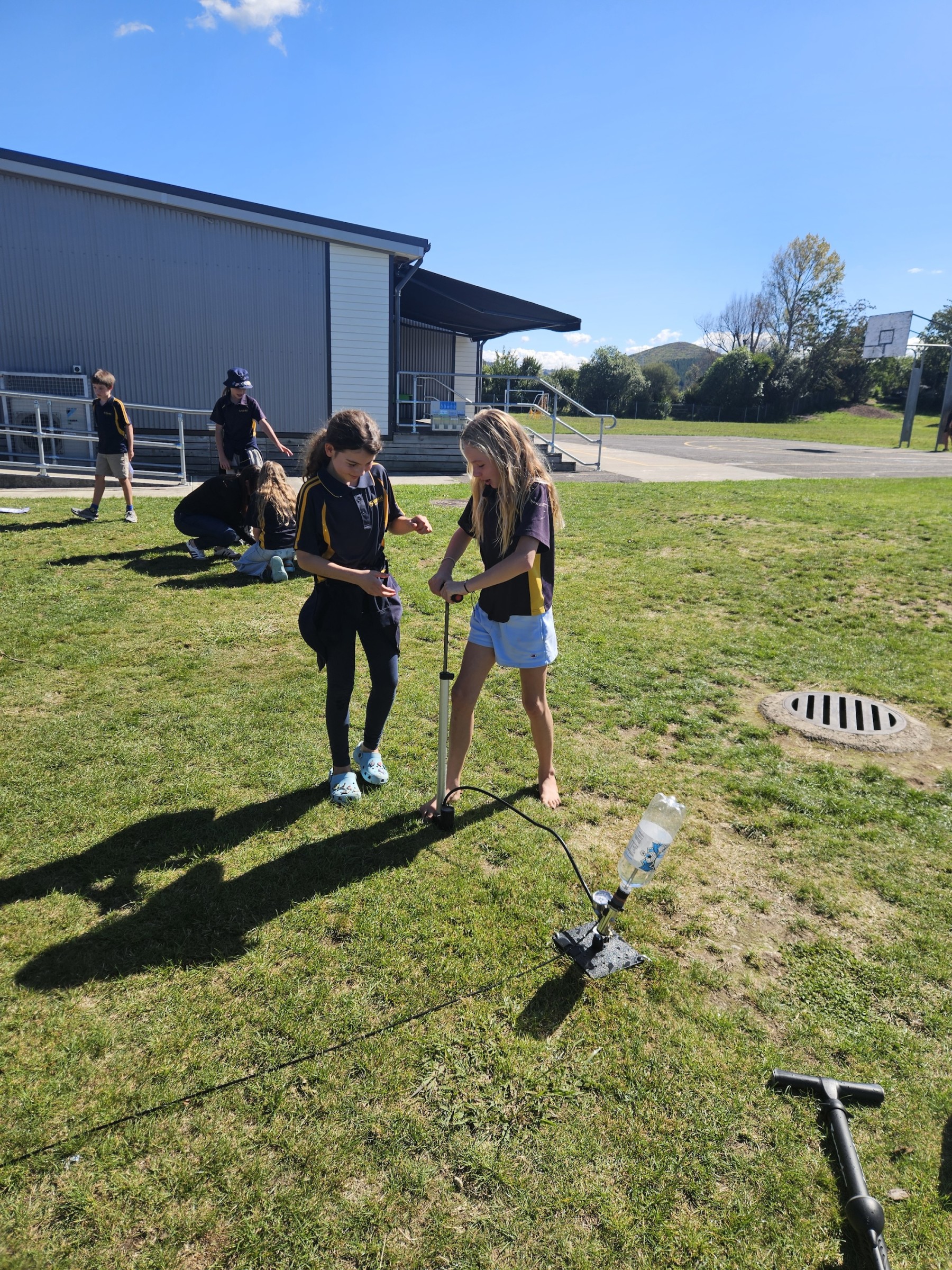
From slippery surfaces to floating rafts, students explored how friction, gravity, air resistance, and buoyancy shaped real-life experiences. Working collaboratively in inquiry groups, questions were asked, ideas were tested, and the science process was used to deepen understanding.
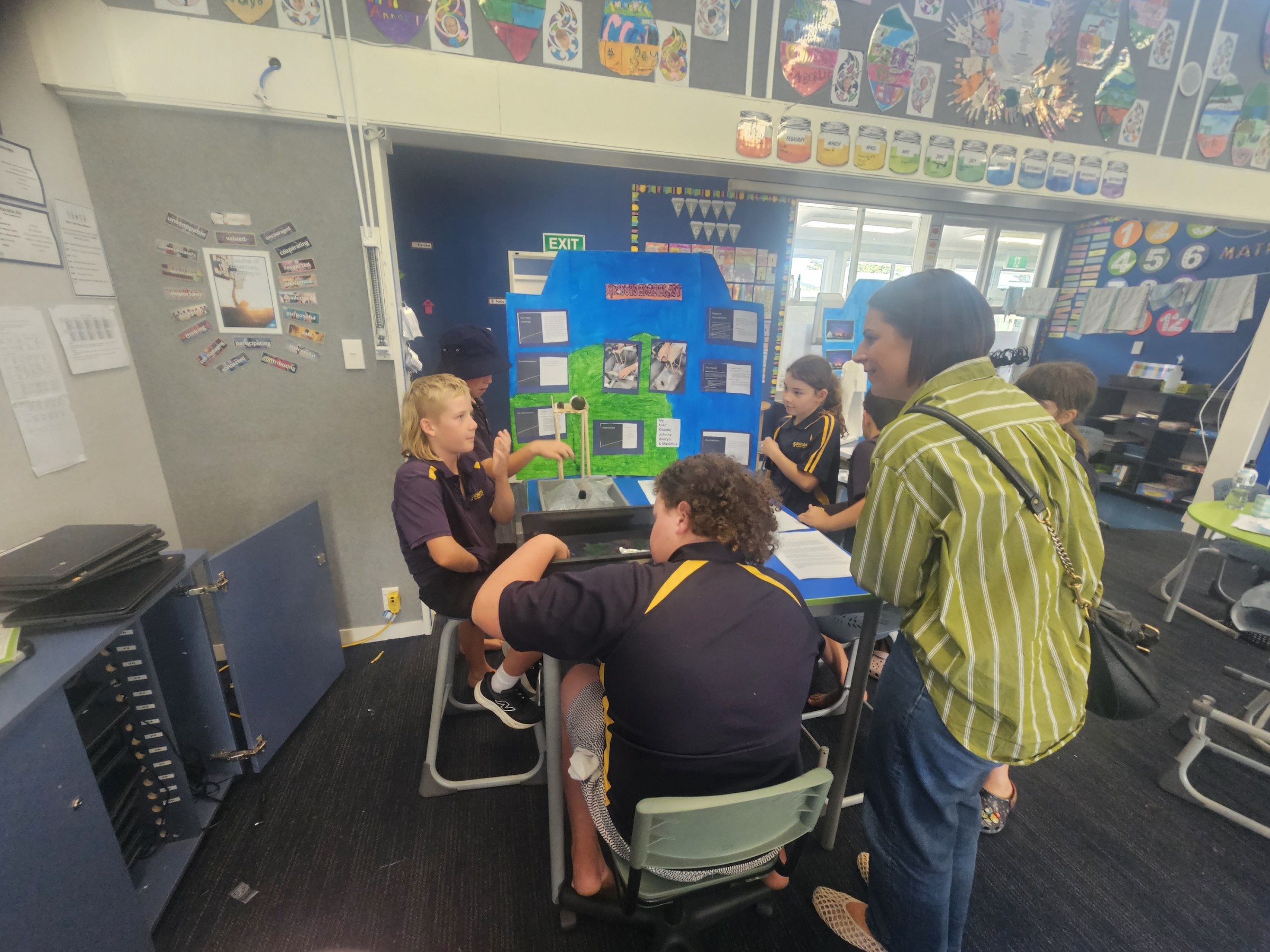
Parents highlighted students’ curiosity and teamwork, noting clear explanations of concepts such as buoyancy, friction, and how surfaces affect movement.
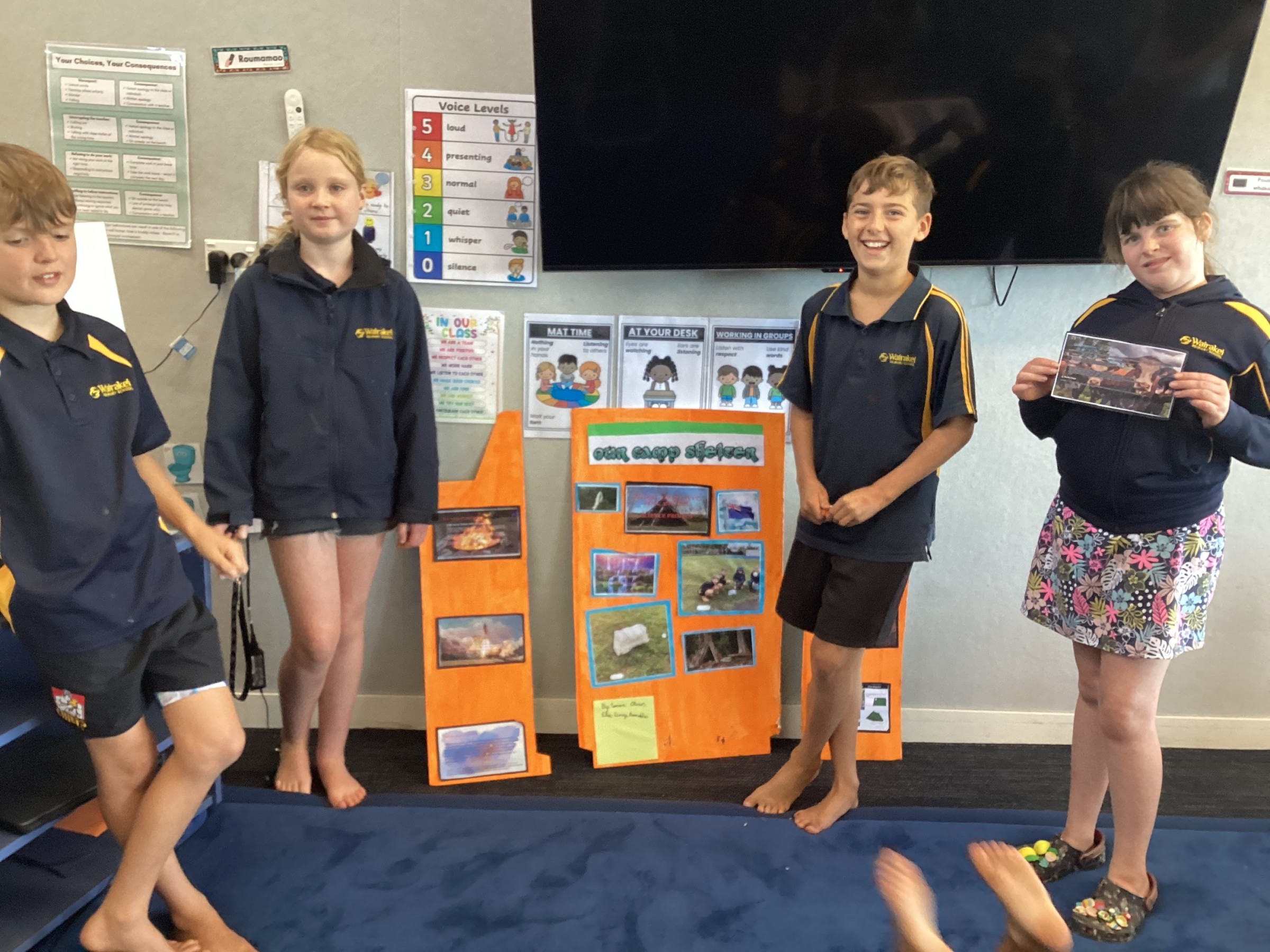
Students confidently shared their learning with pride and enthusiasm
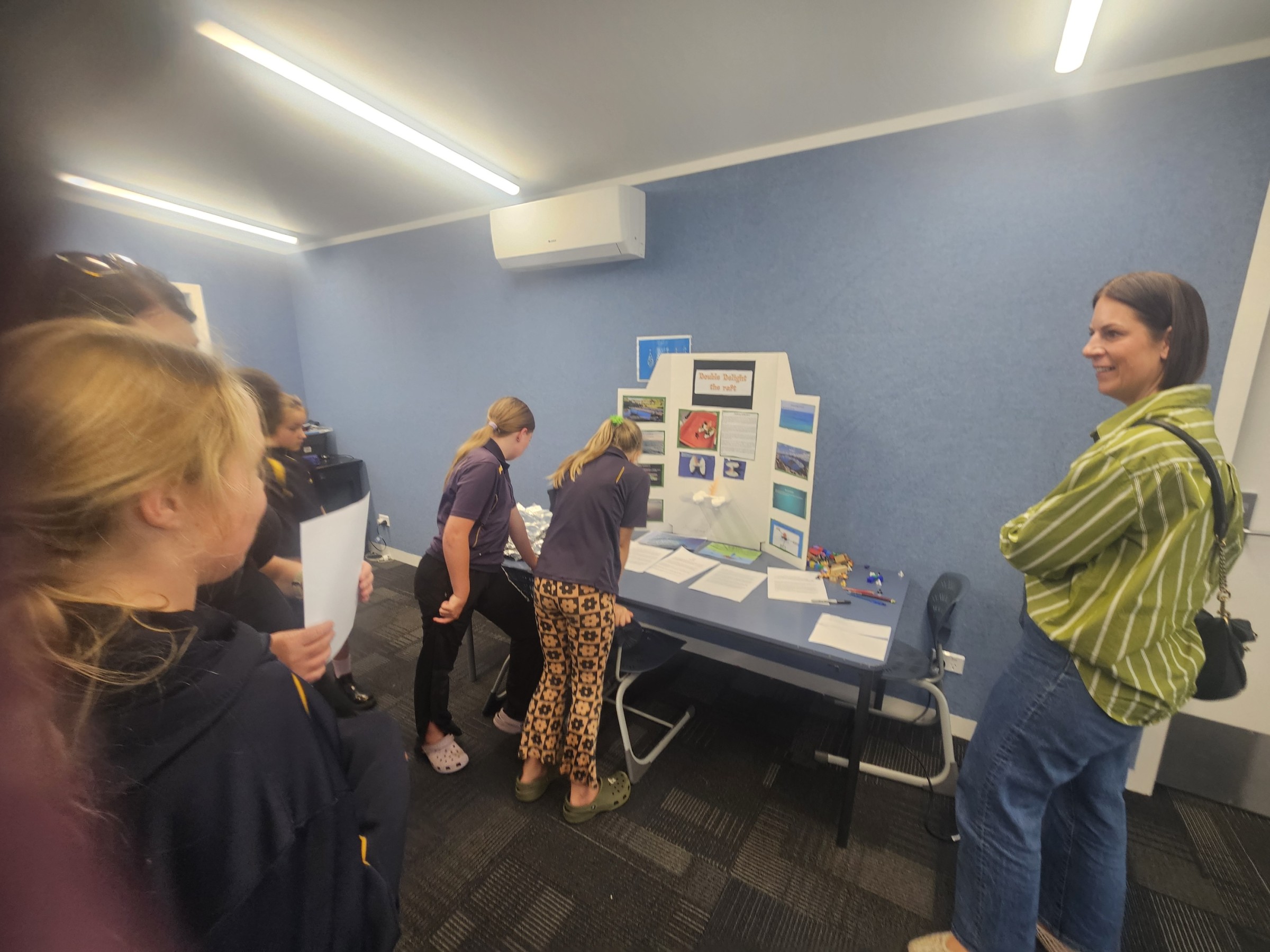
What challenged me was trying to find a central point of buoyancy in the tinfoil raft that we made. We needed to find it for the balance. I enjoyed sharing my learning with my mum. I liked seeing the look on her face, because she knows that I will like it with the concept of forces
I liked buoyancy because I got to make ships and they kind of floated. I fixed the ships by reshaping them so they could float. We tested them with rocks and pieces of bark. dI liked building the model on Tinkercad” Tinkercad is a free 3d modelling programme online
My favourite part was researching the improvements for our raft, we got to see how our idea would work. It was fun making our raft out of polystyrene because its light and it floats
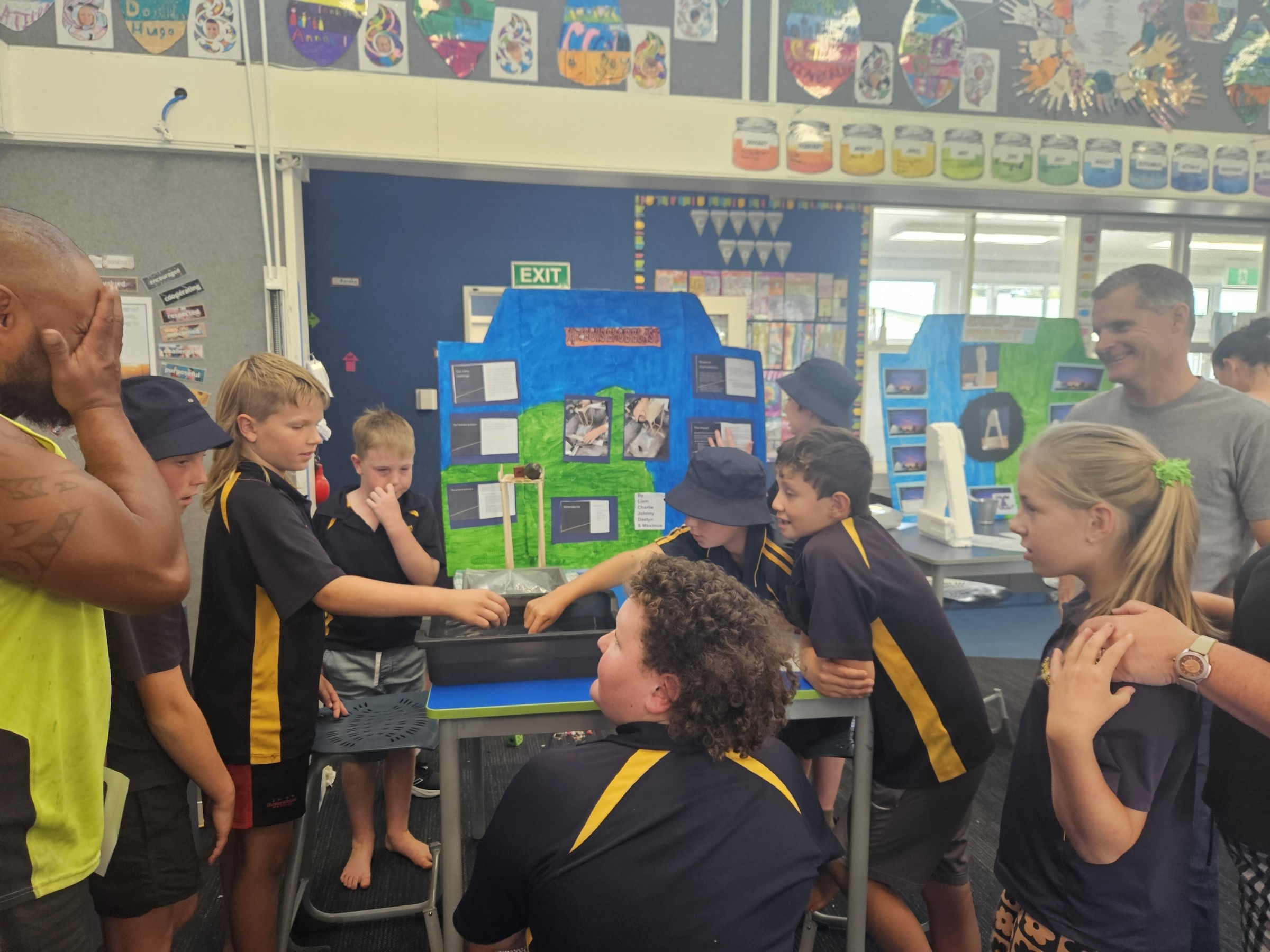
Matthew noted: One group showed real curiosity while reflecting on designs. When asked, “Why was one able to hold more than the others?” students explained their thinking and, through discussion, reached an understanding using ideas of water displacement and buoyancy.
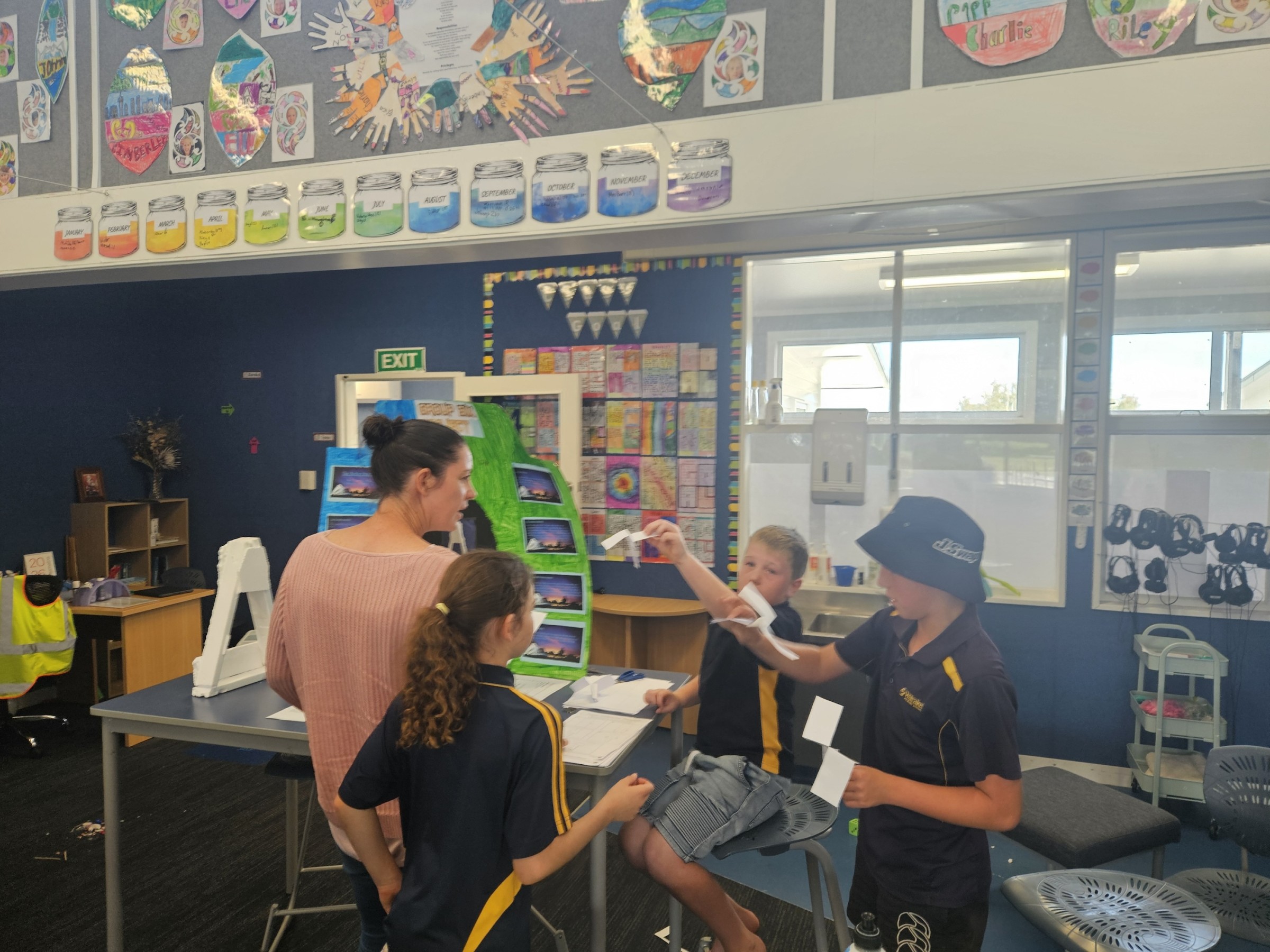
Matthew also stated, While working with Oliver’s group, I asked questions such as “Did any results from the mat go further than on the lino?” Students knew they did not and explained that lino, being smoother and flatter, allowed objects to travel further. The use of terms like friction and surface tension showed strong understanding.
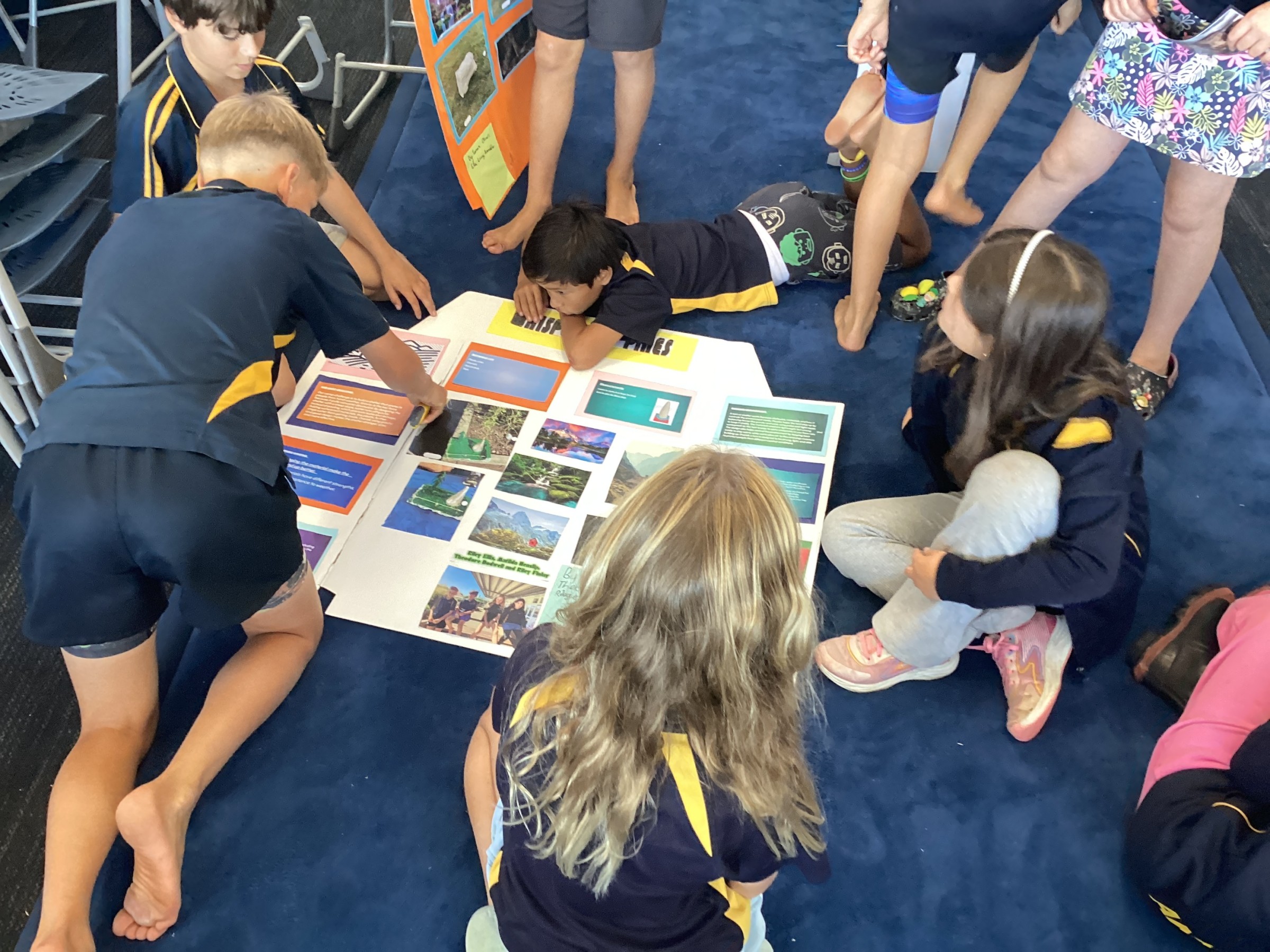
One of the biggest challenges for one group was not the science, it was deciding how to share their model and science board
We played paper, scissors, rock to decide who would get the group's completed work. Livvy won. Then we played again to see who got the biggest piece in the middle. That was me. The others got the sides, so everyone had a part
Rather than excluding anyone, a fair solution was reached, demonstrating teamwork, fairness, and problem-solving, skills just as important as the science itself.
It didn’t take long before other groups began using the same approach, demonstrating how quickly great ideas can spread through collaborative learning.
What we learn with pleasure we never forget. – Alfred Mercier
My educational haerenga began at a very early stage of my life, growing up within a family of teachers who inspired my love of learning and teaching. Throughout my career, I have taught students from New Entrants through to Year 11, with most of my experience in the middle school years. This has given me a deep understanding of the learning journey and the progressions within it.
With experience in literacy and leadership, I have had the privilege of fostering collaboration, growth, and a shared commitment to student success. I am particularly passionate about building strong, positive relationships with students, colleagues, and whānau - creating a safe and supportive environment where every child feels a sense of belonging and is encouraged to achieve their very best because they want to and are motivated to learn.
My approach to teaching is grounded in respect, community, and the belief that strong connections between home, school, and whānau are essential to helping students thrive.
He aha te mea nui o te ao? He tāngata, he tāngata, he tāngata.
(What is the most important thing in the world? It is people, it is people, it is people.)
This whakataukī reflects my belief that relationships and community are at the heart of effective teaching.

Comments
No one has commented on this post yet.