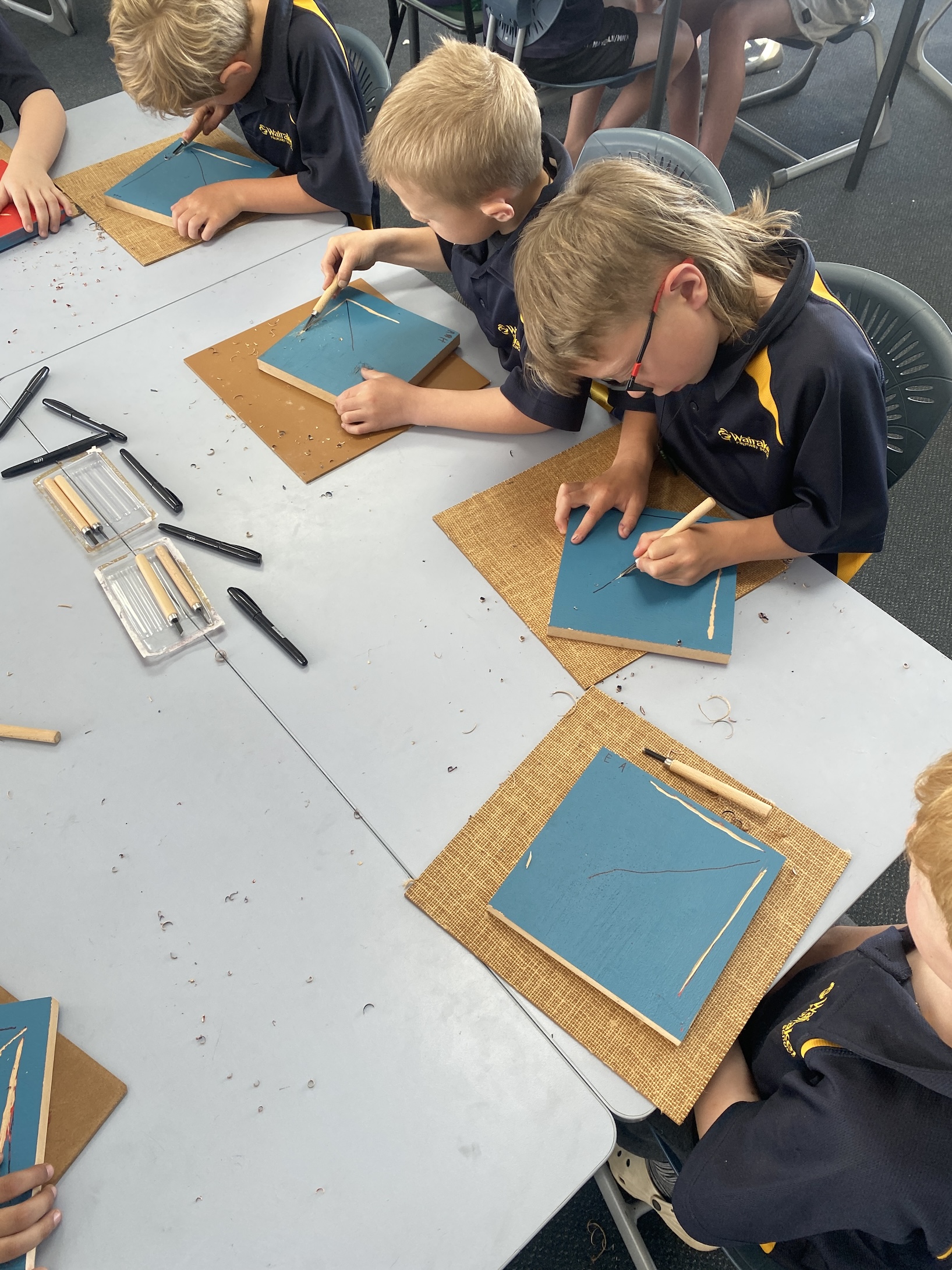
Tamariki have dug deeply to understand the designs of each art form and explored the cultural meanings of Māori. Especially important has been to understand how each piece of art connects to an artist's whānau, whakapapa and tikanga.
As students have unpacked specific pieces of art, it inspired them to make greater connections to Māori heritage and examples of Māori art in their whānau. Tom shared, “Now I understand why someone in my whānau has a tā moko as it helps them to remember their whānau and where they have come from”. Storm commented, “My Auntie Celeste passes her raranga baskets down to me because she wants me to stay connected to our whakapapa”.
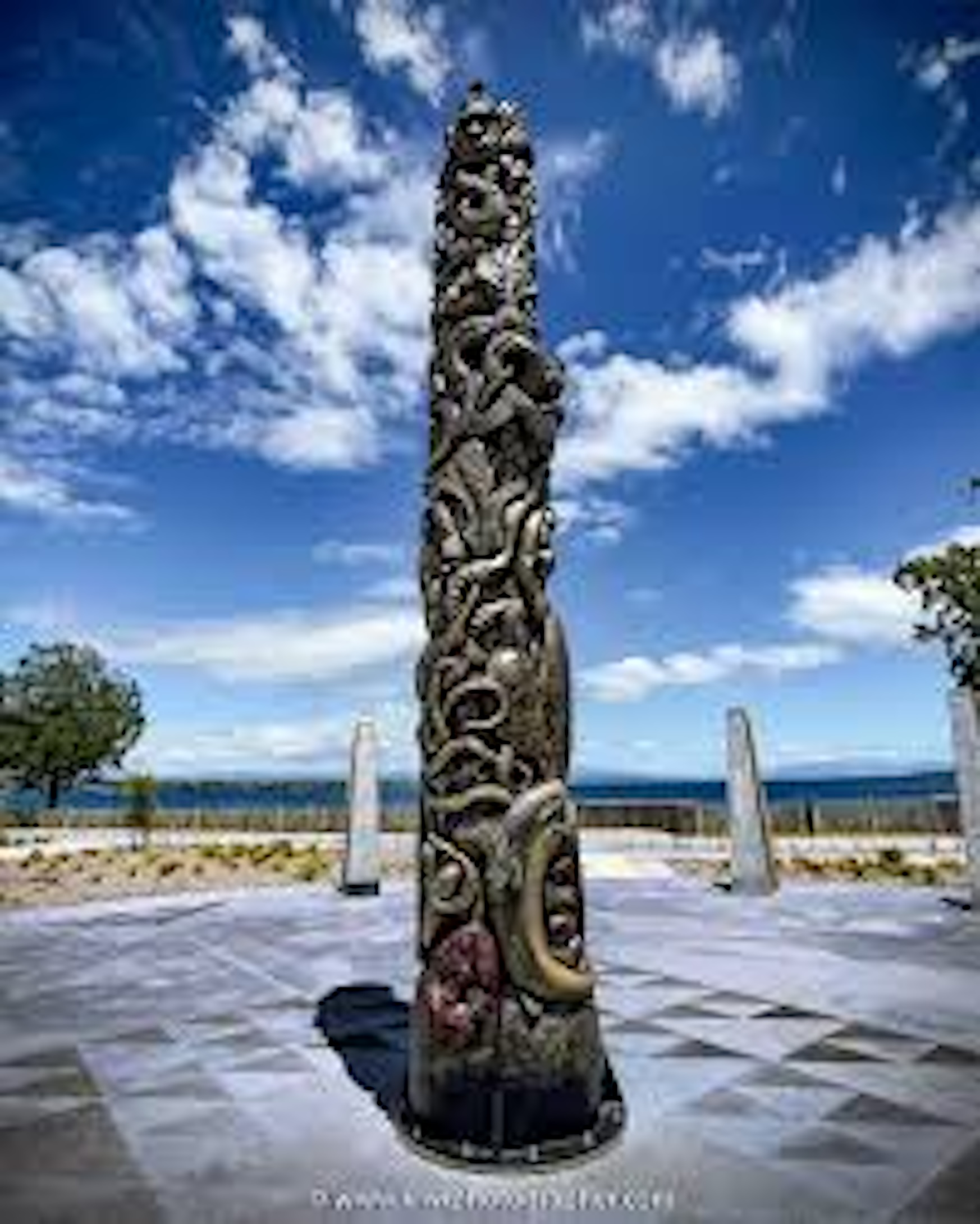
Students who don’t have a strong Māori background made connections by discussing how these art forms are all around us - from the stunning pou on the lakefront to the tukutuku panels displayed around the school. Students developed a deeper understanding of these local art pieces and how they link to local tikanga. Charlie stated, “I really like our pou and I think it’s so cool how it links to our moana. The carvings of the fish are my favourite”. Moana explained, “I really like the colours on the tukutuku panels, especially the red. It reminds me of my whānau, especially my Dad, who works with wood”.
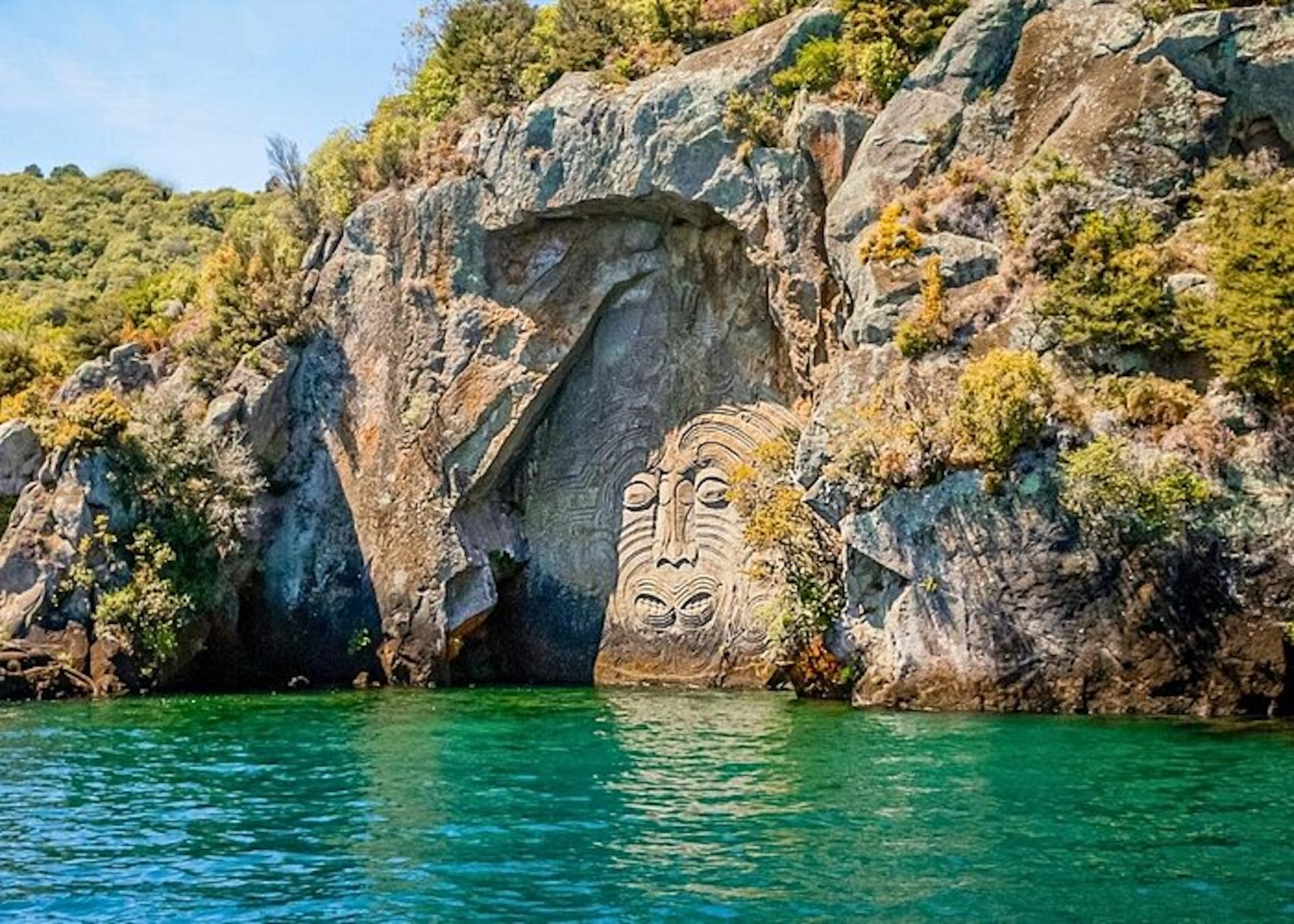
Once the students developed an understanding of each art form, they were selected one medium to create a final piece that linked to Making A Mark. Thirty students chose whakairo, specifically wood carving, as their preferred option. Will stated, “I chose whakairo because I really wanted to be able to learn the skill and create a piece that honours my Mum”. Wyatt explained, “Whakairo inspired me because I want to try something new, and I loved the carving near Acacia Bay”.
In the first session, students were informed they had to create a carving in honour of a whānau member. This aimed to ensure students developed a deep connection with their individual piece, whilst making clear links to their whakapapa and how one family member has ‘Made a Mark’ on them. Connor commented, “I chose my Dad because he always wants to spend time with me doing the things we love, especially fishing and hunting“, whilst Phineas shared, “I chose my sister because she is always kind to me and always makes me laugh”.
As an integral part of whakairo, students developed an understanding of key Māori symbols and understand how these could connect to their whānau. Tamariki began to explore key designs, such as the koru, hei matau and pakati, before deciding which two Māori symbols to include in their whakairo. They also designed two of their own symbols that linked specifically to their whānau. Rylen stated, “I chose the hei matau because my Dad is strong and always provides for our family”. Ella explained, “I chose the single twist because my Dad loves nature, and that is never-ending”. Morgan commented, “I chose a koru because my Papa always keeps our family together, and I love being in nature with him“.
Prior to creating their final piece, tamariki have begun to develop the skills required to expertly carve. They have developed an understanding of the role that each tool plays and how to carve with consistent depth and width. Jett stated, “I know that I need to make smaller movements, otherwise my tool slips off and I make a mistake”. Rocky explained, “I need to remember to always carve away from me so I have more control and don’t cut myself”. Rylan commented, “I need to stop trying to dig with my tool and push it forward to create my marks”.
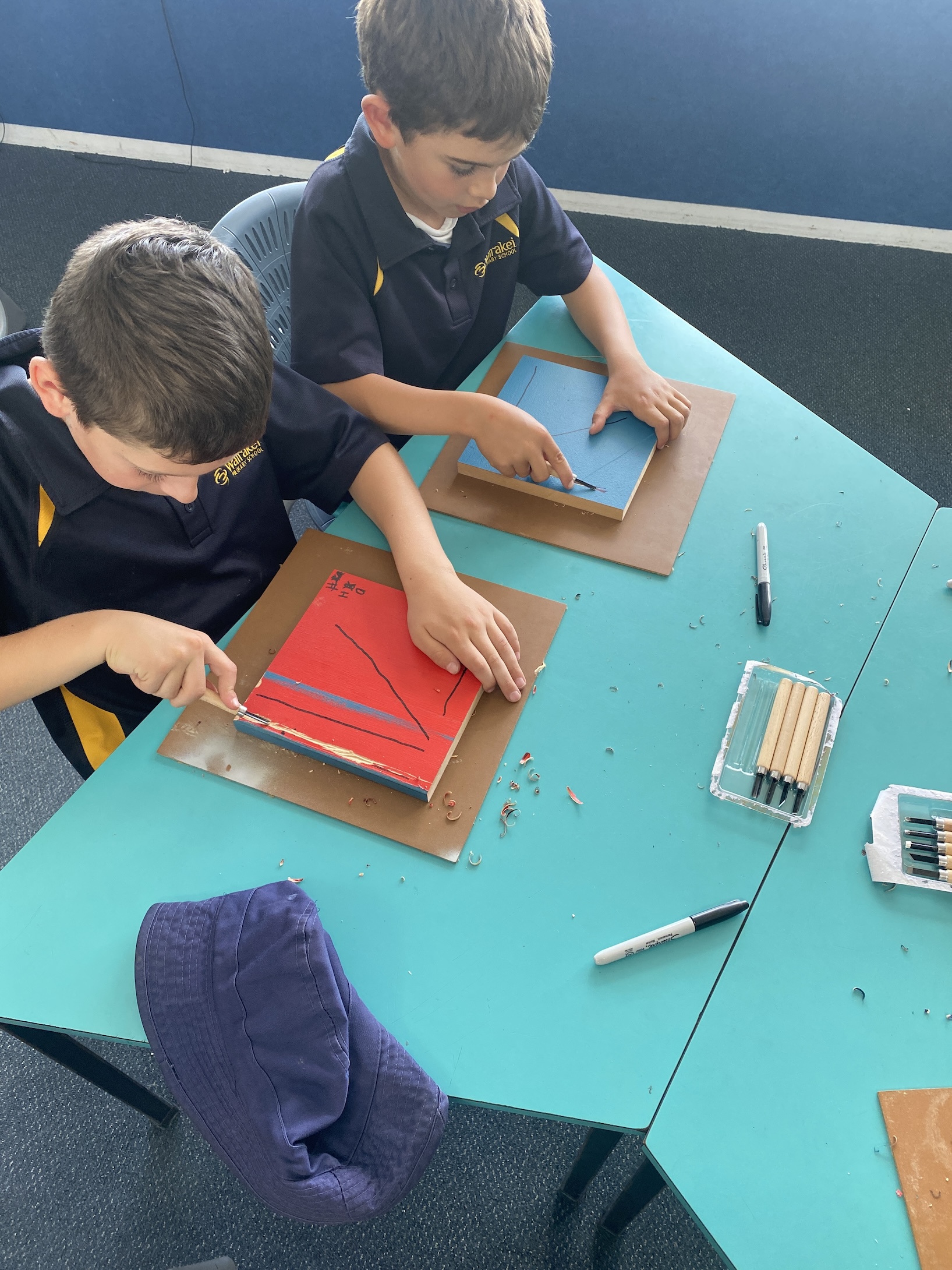
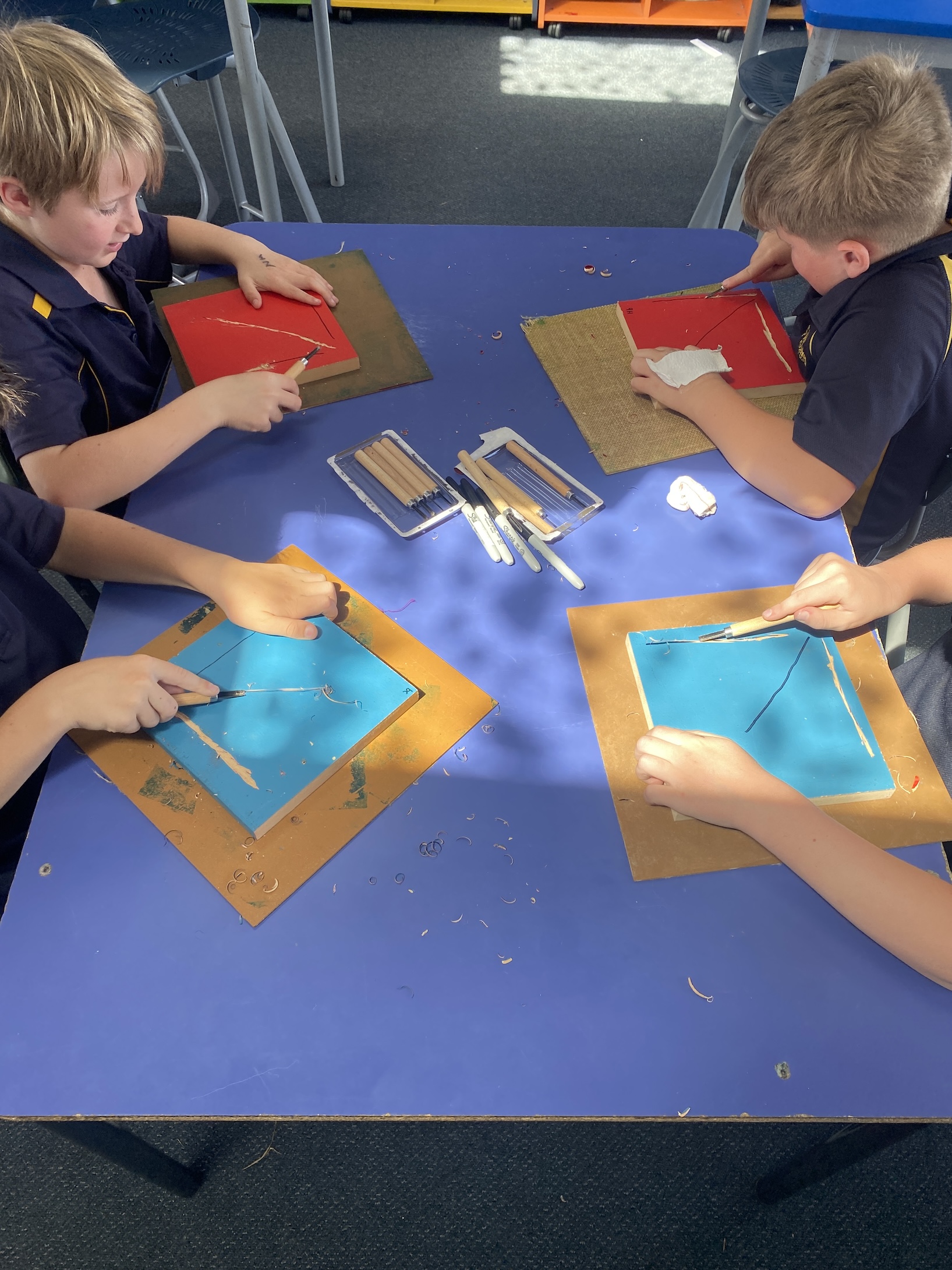
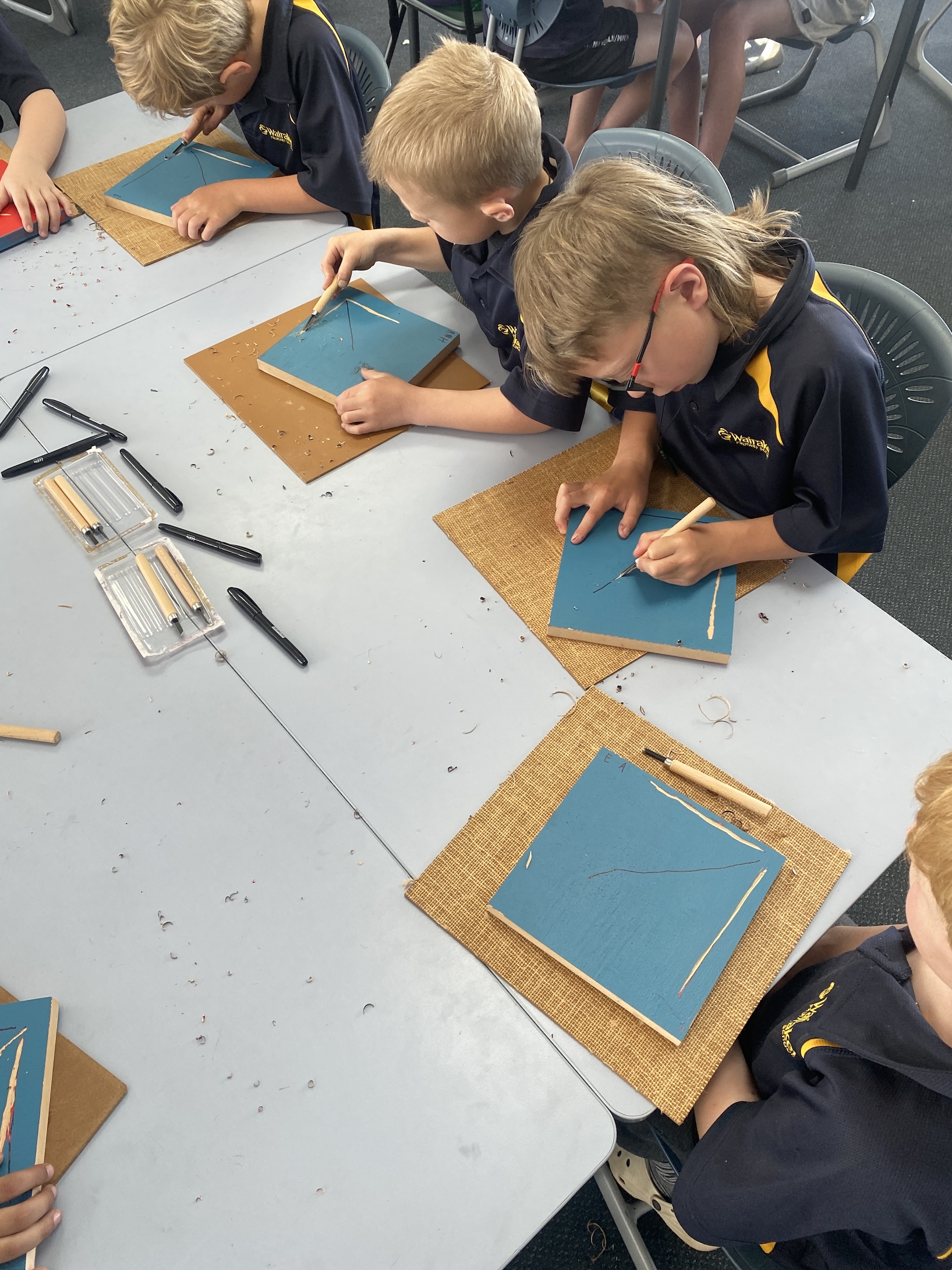
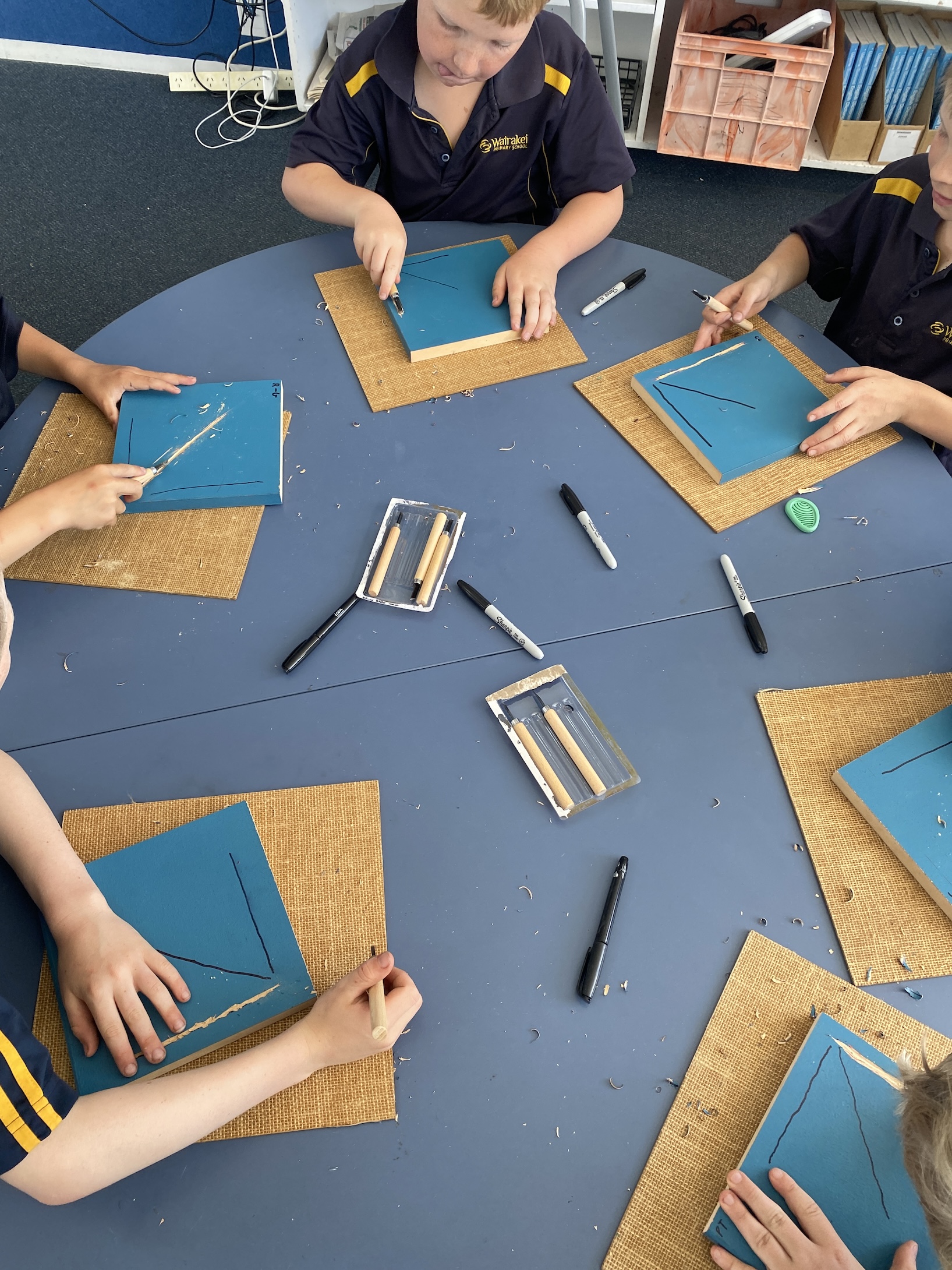
In the coming weeks, students will learn how to blend differing tools and techniques to create effect and provide depth to their design. It is hoped that their final designs will show that students have developed a new skill and acquired a deeper knowledge of the role that whakapapa and whānau play in Māori art.

Comments are disabled for this post.