The Opportunity
In every classroom, conversation is more than chit-chat—it’s the foundation of learning. Yet oral language skills don’t develop by accident. Without explicit opportunities to speak, listen, and share, students can struggle with reading comprehension, writing quality, and problem-solving.
The refreshed curriculum, Te Mātaiaho, recognises this: oral language is not an “extra” but the beating heart of literacy. If we want confident readers and writers, we must first grow confident speakers and listeners.
It’s important to learn about talking because I like showing someone how to build something and help them learn. Then I do more thinking so I can tell them it.
What is Oral Language?
Oral language is a network of skills working together:
-
Speaking – Communicating ideas clearly and confidently.
-
Listening – Understanding and interpreting meaning.
-
Vocabulary – Knowing the right word at the right time.
-
Sentence structure – Organising ideas so they flow logically.
-
Storytelling – Sequencing events with a clear beginning, middle, and end.
It’s thinking aloud, organising ideas, and building connections—all in real time.
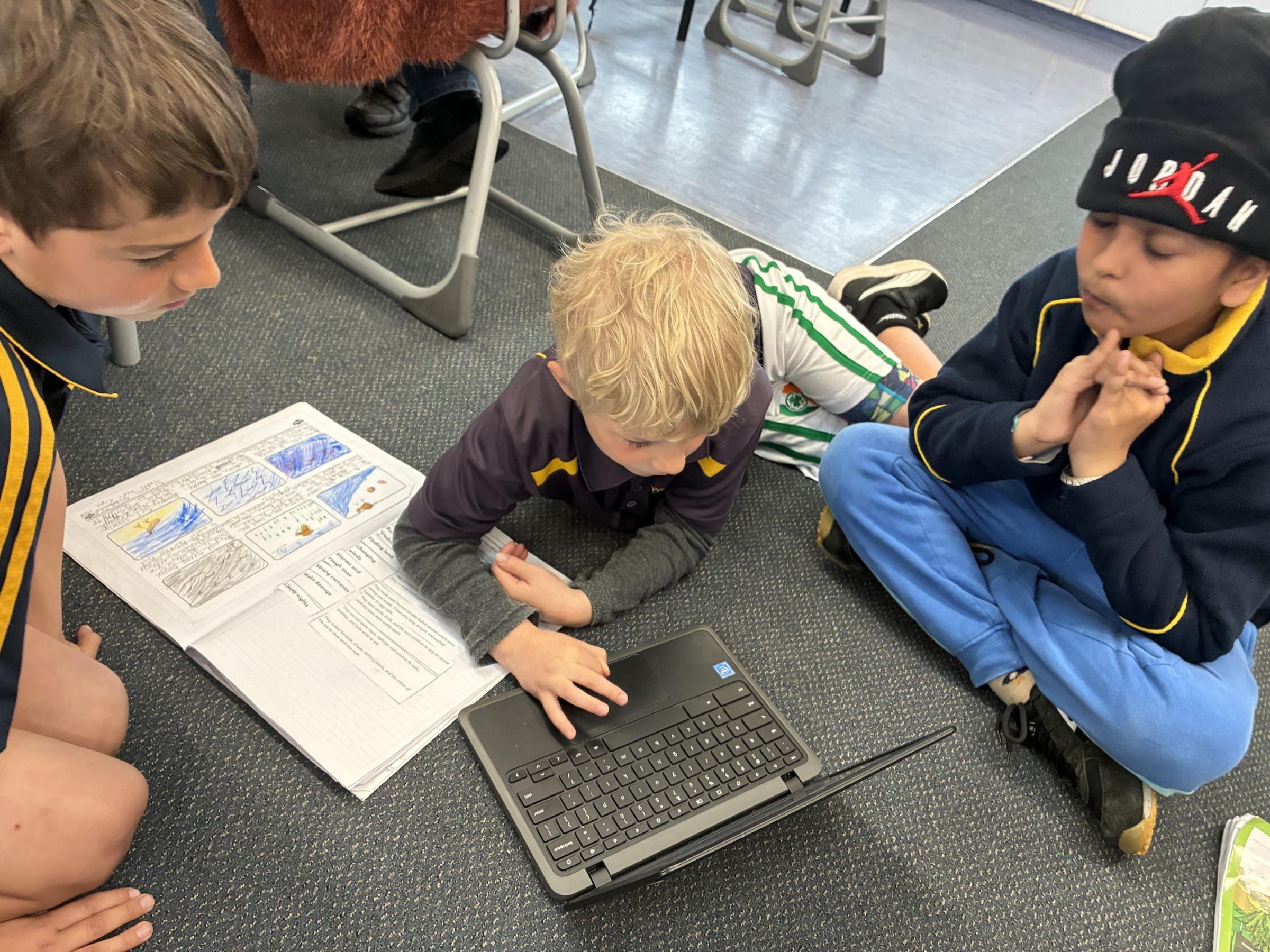
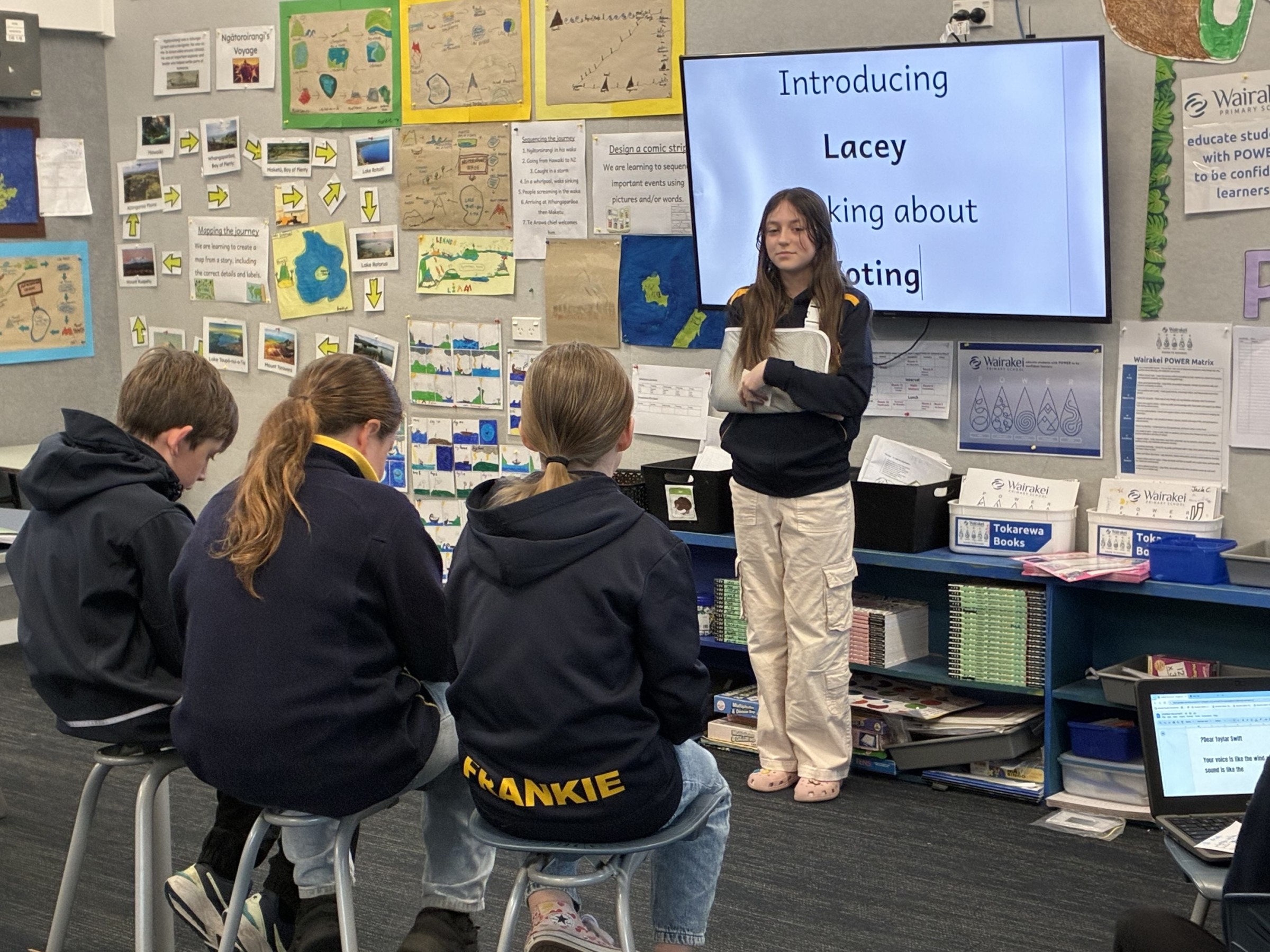
Why It Matters in Learning
Research consistently shows: students with strong oral language skills are more likely to excel in literacy. They:
-
Grasp new concepts faster because they can connect them to prior knowledge.
-
Participate fully in discussions, adding to and learning from others’ ideas.
-
Develop empathy through hearing multiple perspectives.
-
Write with precision using a richer vocabulary.
Te Mātaiaho’s English learning area makes it explicit—oral language underpins every other literacy skill.
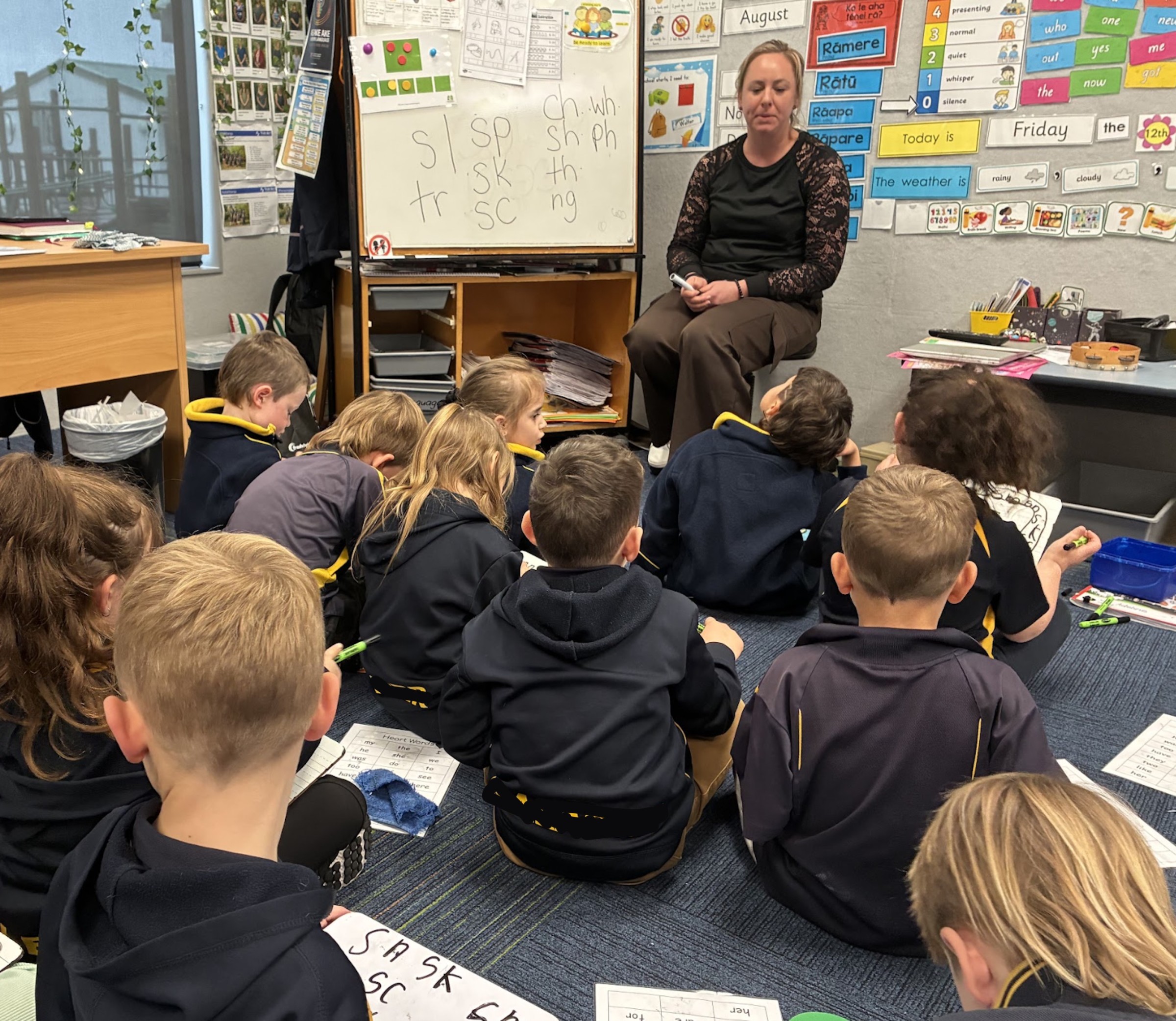
Having strong language skills is so important in reading. So when you're older and get a job, you can understand your contract and even challenge it easily and politely
If you learn another language, you can travel and communicate really easy.
Having good English communication means you can empathise with someone who doesn’t know English and can help them understand ideas. Plus, if you learn Te Reo, it makes learning other languages way easier because the sentences are more similar.
Some argue that oral language happens naturally and doesn’t need targeted teaching. However, relying on chance leaves too many behind. Structured, intentional oral language teaching levels the playing field.
Equally important is recognising that oral language is not the sole responsibility of “English learning time.” Every learning area—Science, Mathematics, The Arts, Health and Physical Education, Technology—requires students to talk, question, explain, and justify their thinking. If oral language opportunities are limited to literacy blocks, we restrict student voice and limit their ability to engage deeply with content.
Making oral language an explicit focus across all subjects ensures that every child has repeated, meaningful chances to practise the skills of speaking, listening, and responding. Whether it’s explaining a mathematical strategy, debating a scientific idea, or reflecting on a piece of art, students need guided support to develop the confidence and precision to communicate effectively.
Now that I can hear and speak more clearly, I want to do lots of work with my teacher and I can ask questions and ask teachers for help.
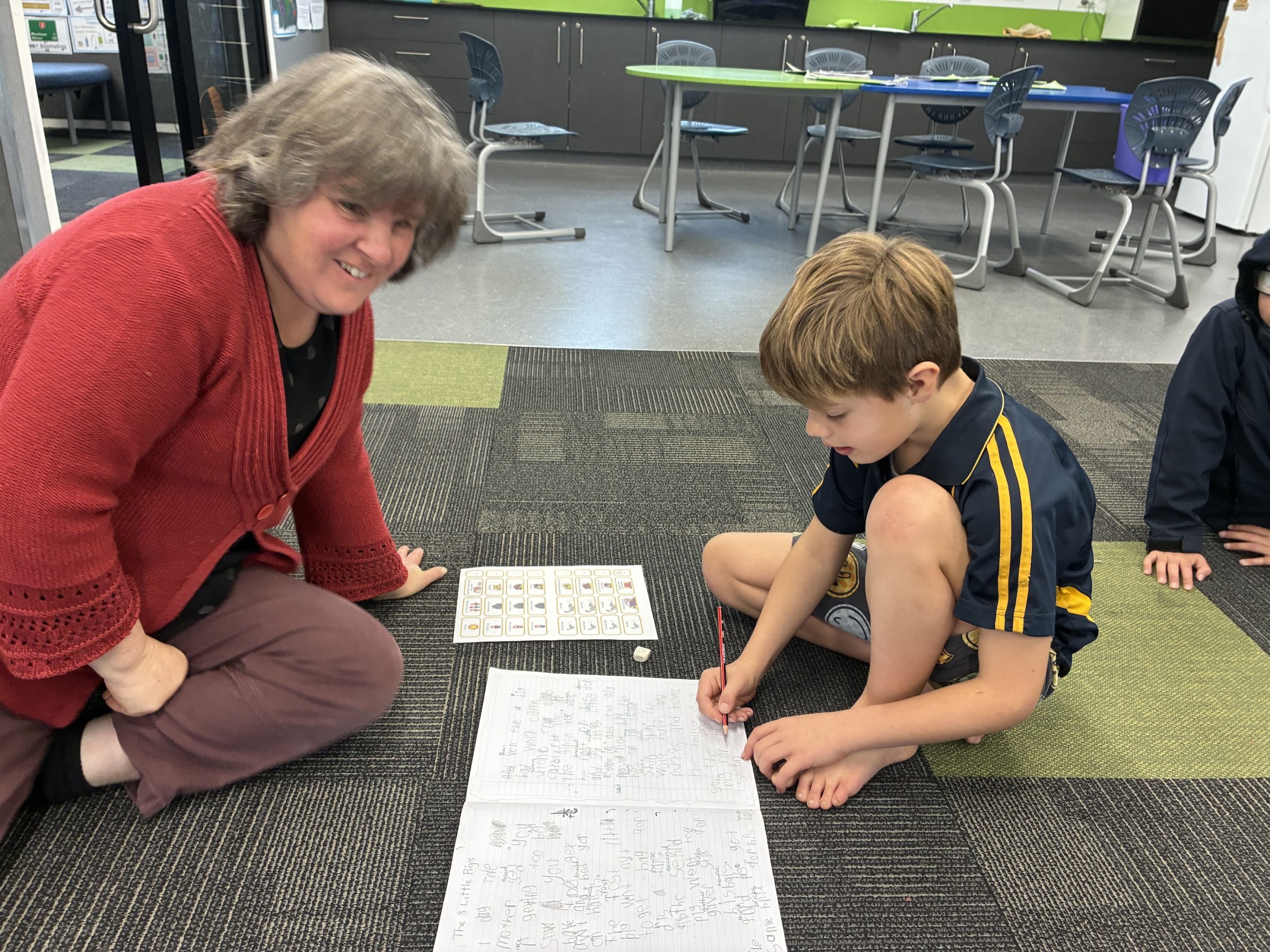
After having help, I can understand what other people are trying to say. It helps so much when I’m trying to research for my writing, so I can learn new words too.
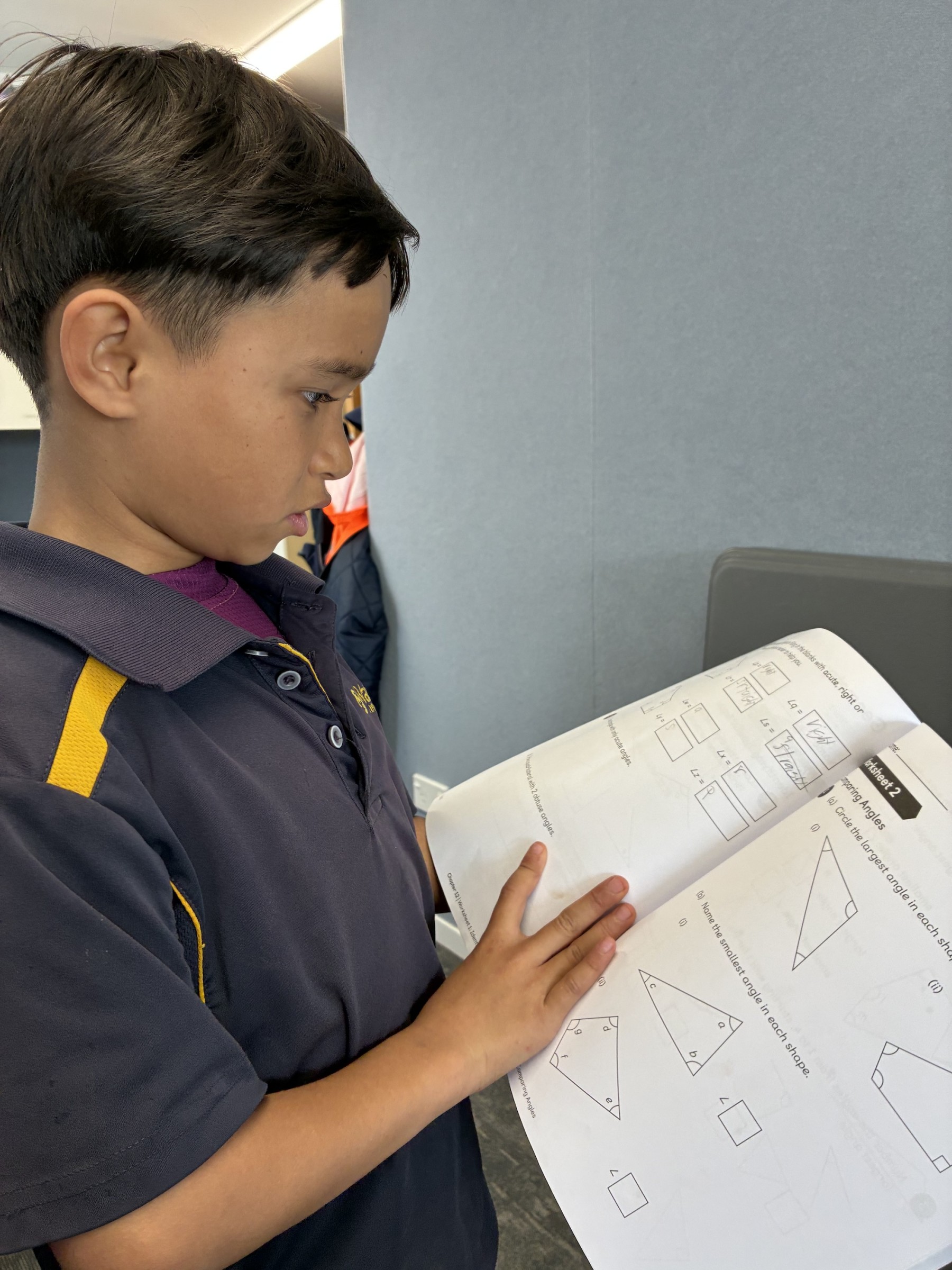
When I was learning about angles, my teacher explained that an acute angle is like a cute little face, and right angles make an ‘l’ shape. This helps me connect how it looks like with its name.
How Whānau Can Build Oral Language at Home
You don’t need flashcards or fancy programs—just time, curiosity, and conversation:
-
Talk about the day beyond “How was school?” Try: “What made you laugh today?”
-
Swap stories—from books, your own life, or invented together.
-
Play with words—replace “big” with “gigantic” or “enormous.”
-
Cook or build together—narrate steps and describe what’s happening.
-
Play games like “I spy” with adjectives or “20 Questions.”
Be an active listener —ask follow-up questions and model conversational turn-taking.
Oral language is the golden thread connecting every part of learning. When students are surrounded by rich, purposeful conversation—at school and at home—their words become tools for thinking, connecting, and creating.
My Journey Through Learning
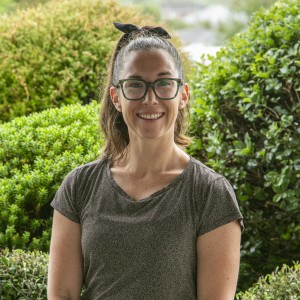
My pathway into teaching has moved through a range of places, communities, and experiences. Each one has shaped how I think about schools, leadership, and the responsibility that comes with working alongside young people.
As a farmer's daughter and the son they never had, growing up was filled with time in paddocks and cow pats, not so carefully married with tutus and ribbons. My childhood was the epitome of juxtaposition. Through the transition from small-town Matamata to Hamilton at a young age, the world of learning opportunities had only just begun. I thrived in the chaos of balancing multiple sports and performing arts, my parents filling my mornings and afternoons with swimming, dancing, hockey and everything in between. This chaos and experience then manifested itself in two of my early career opportunities - Swim Coach and Fonterra Laboratory Technician. While adding a buffer to affording life at high school, these experiences also solidified my decision to study at the University of Waikato to become a teacher.
My teaching journey began in Hamilton and then Dunedin, New Zealand, before expanding beyond home shores to international schools in Hong Kong. Working across these contexts provided a wide lens on education. Diverse classrooms, varied curriculum, and strong cultural perspectives reinforced a belief that effective learning environments rely on high expectations, strong relationships, and a deep respect for the communities schools serve.
Returning to New Zealand and settling in the Taupō region brought that experience full circle. The landscapes and communities here hold a strong sense of identity, something that resonates with my approach to education. Schools operate best when students feel connected to where they learn, who they learn with, and why learning matters.
The driving aspect for selecting to join Wairakei Primary School was the leadership focus: strengthening teaching practice, building collaborative staff culture, and ensuring meaningful progress for learners. My experience across multiple year levels and curriculum areas has shaped a broad understanding of curriculum design, assessment for learning, and the importance of partnerships with whānau.
A whakataukī that reflects my approach to teaching, learning and leading is:
Mā te huruhuru ka rere te manu
Adorn the bird with feathers so it may soar.
The success of a learner is in the adornment of skills, experiences and support to achieve their potential and fly.
The success of a school never rests with one person. It grows from the shared efforts of students, staff, whānau, and community working toward a school's flight and success.
Comments
No one has commented on this post yet.