Learning Activities
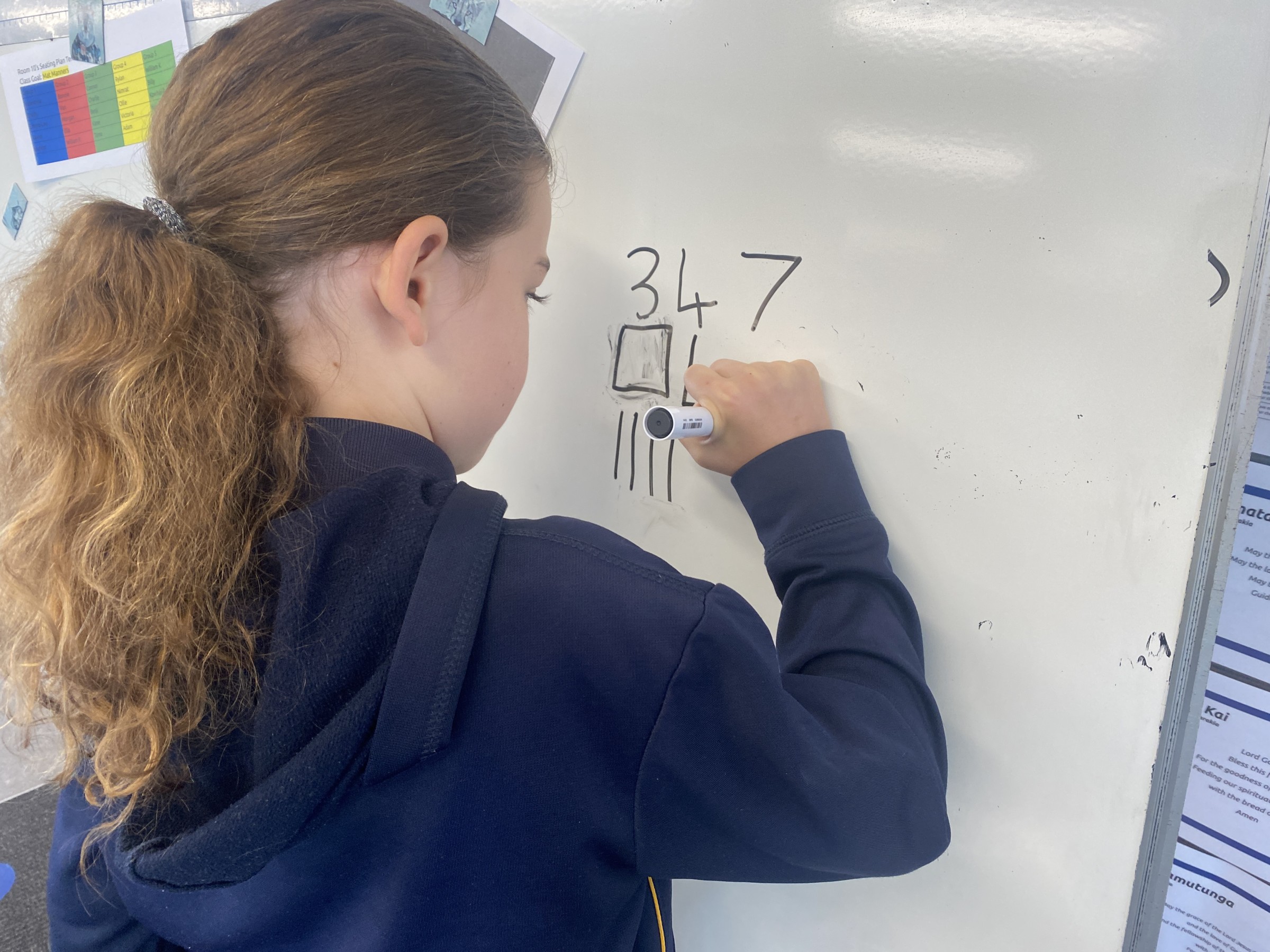
Students have been building numbers with materials, drawing numbers with symbols to show their value, and creating diagrams to show the value of different digits.
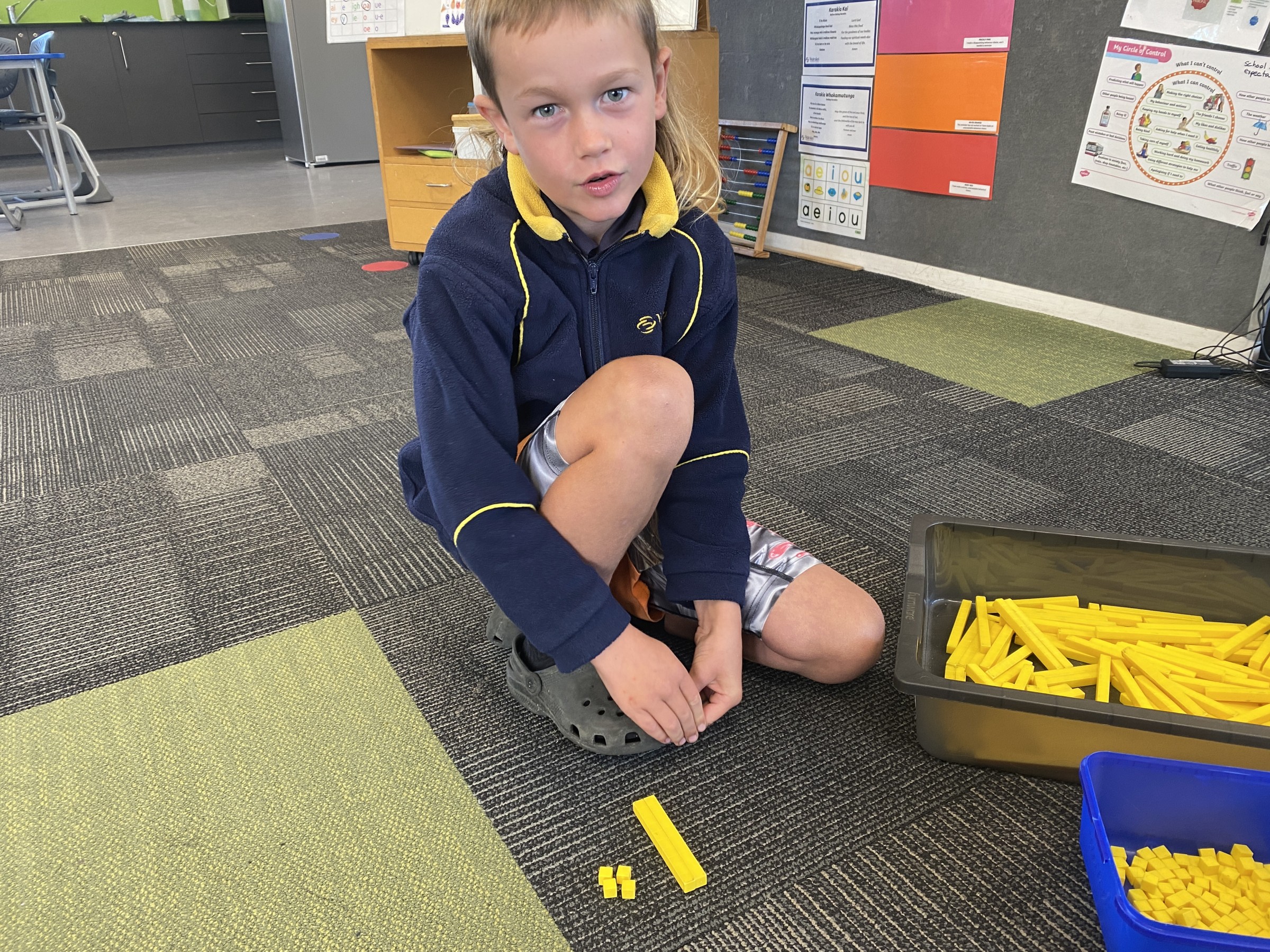
When counting place value materials to identify numbers Charlie and Van have been remembering to count the tens in tens and the ones in ones.
Sometimes it is tricky to change from counting in 10’s to ones when you are working out what a number is.
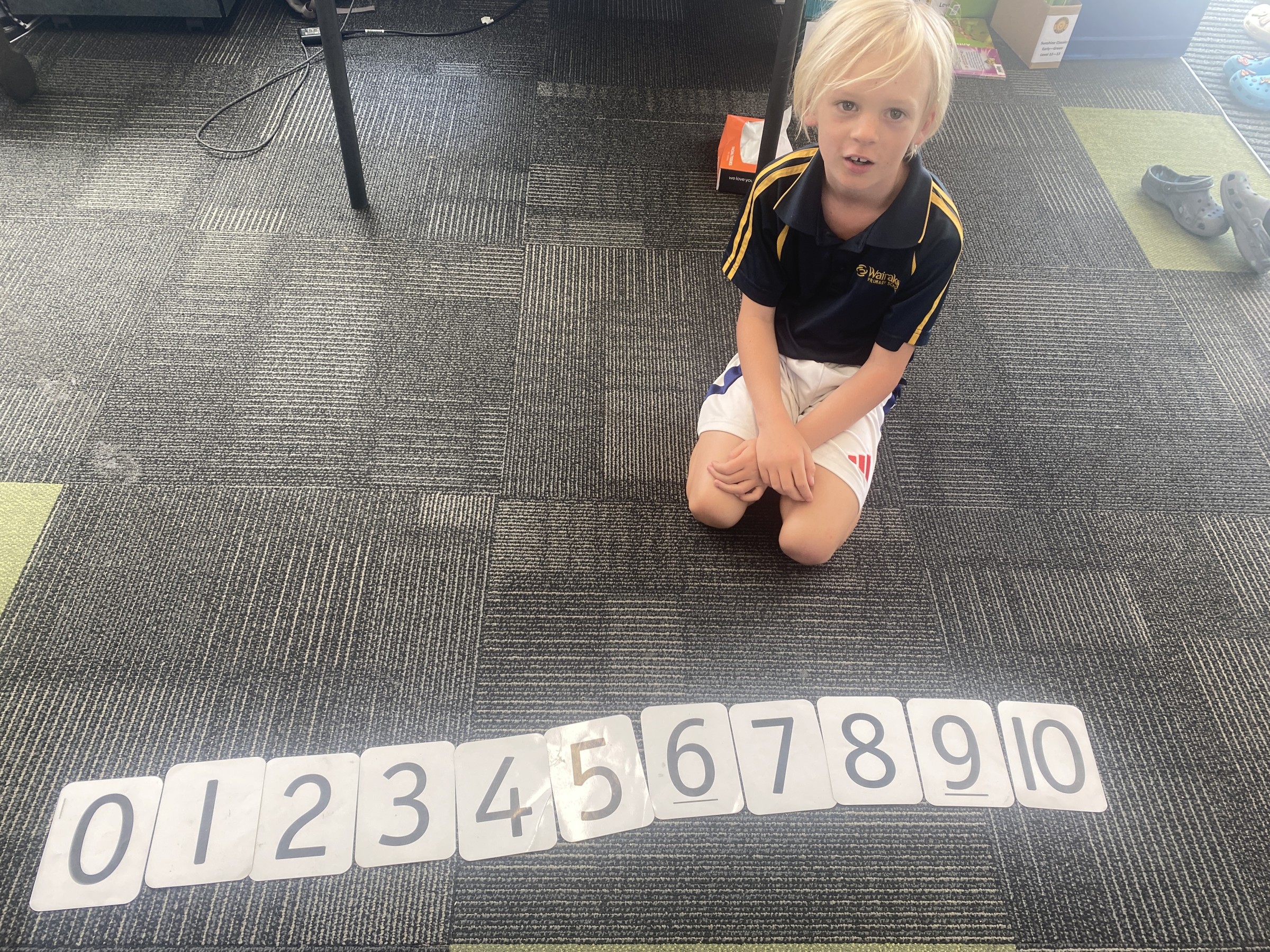
Billy found out that our number system only has 10 digits
I know that 90 is a nine again. Now it is 9 tens
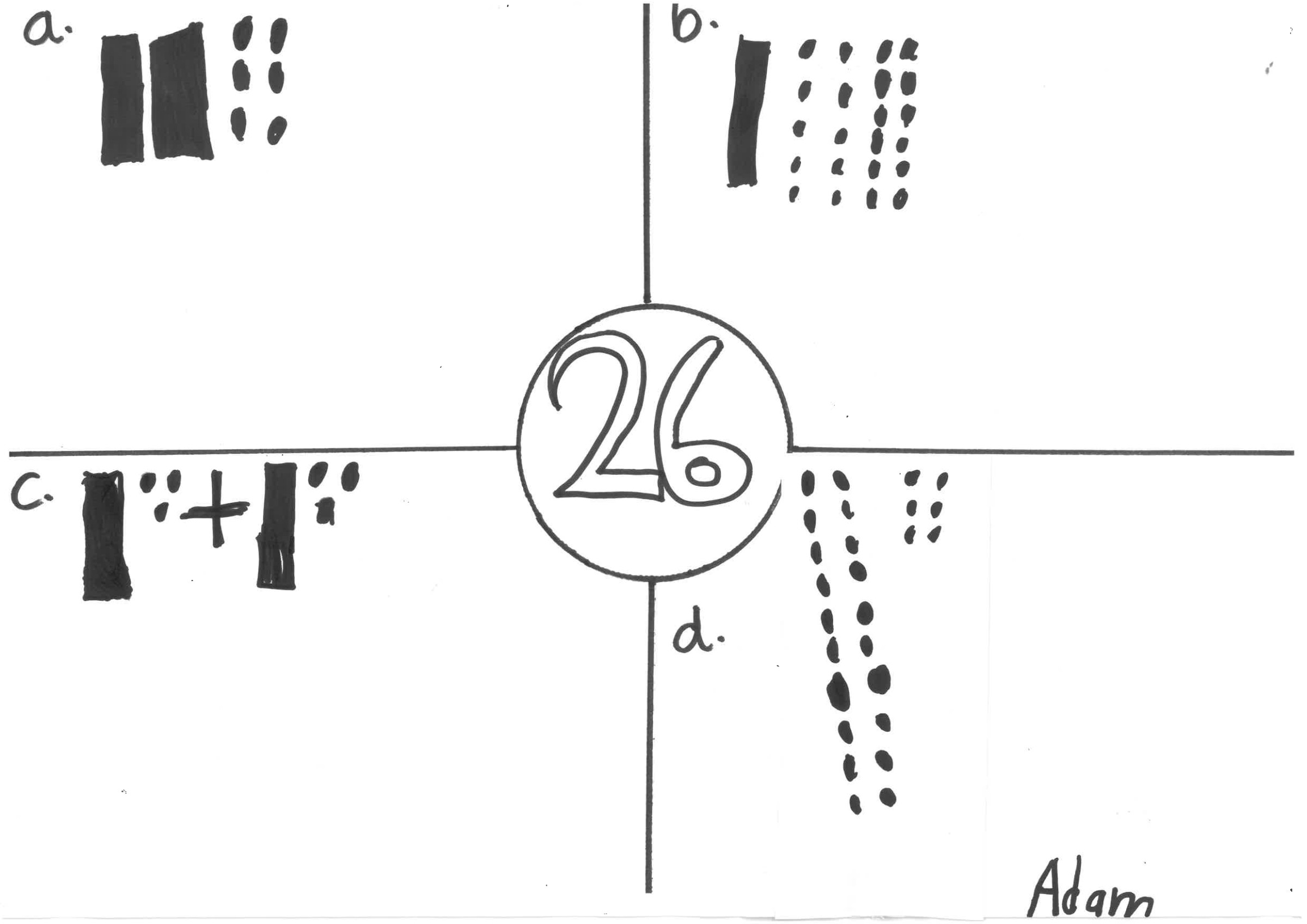
By working with place value materials Adam identified that that 26 is two tens and six ones, and it is also 26 ones.

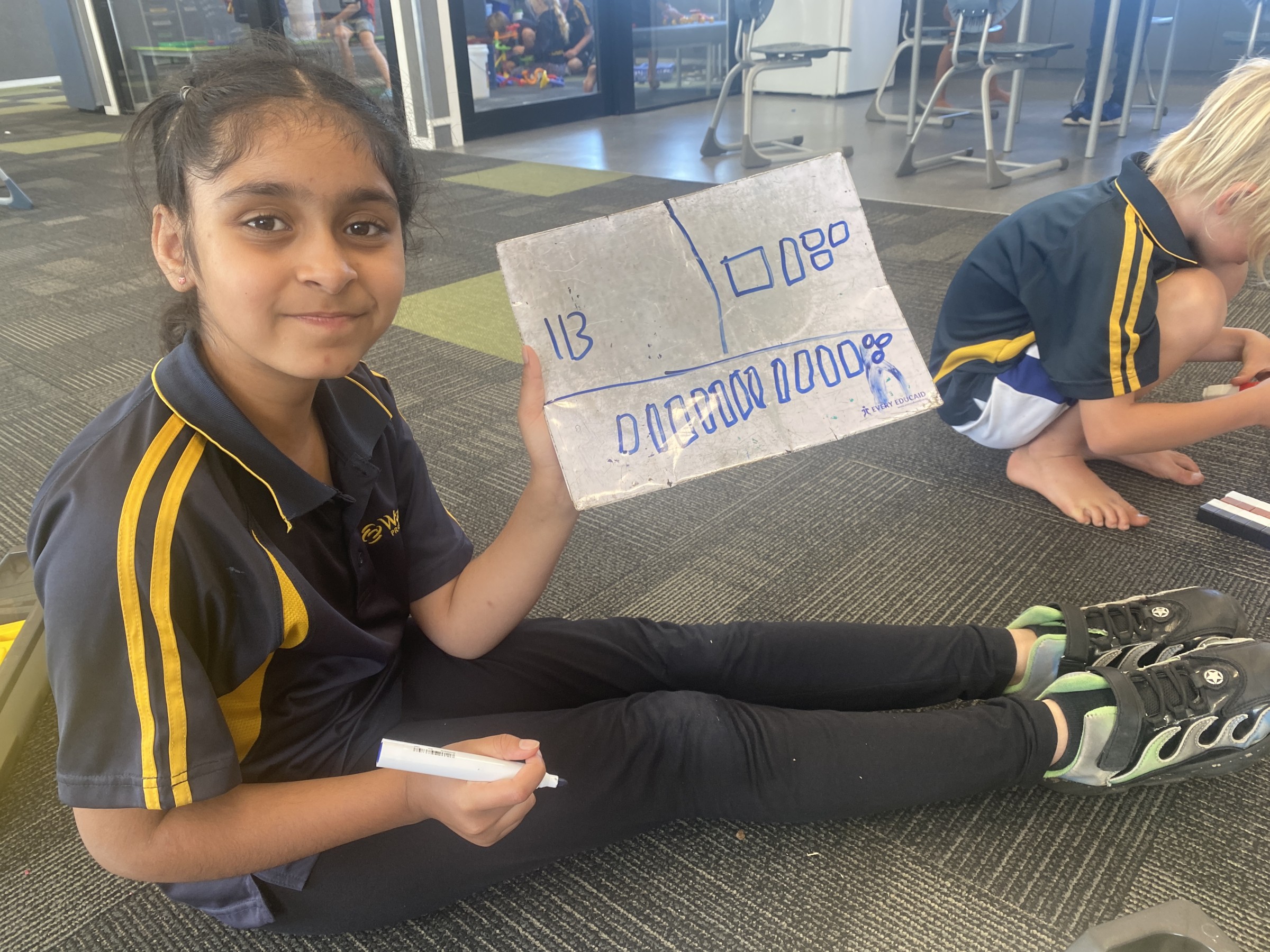
Nimrat was able to show others that 113 is 1 hundred, 1 ten and 3 ones and it is also 11 tens and 3 ones.
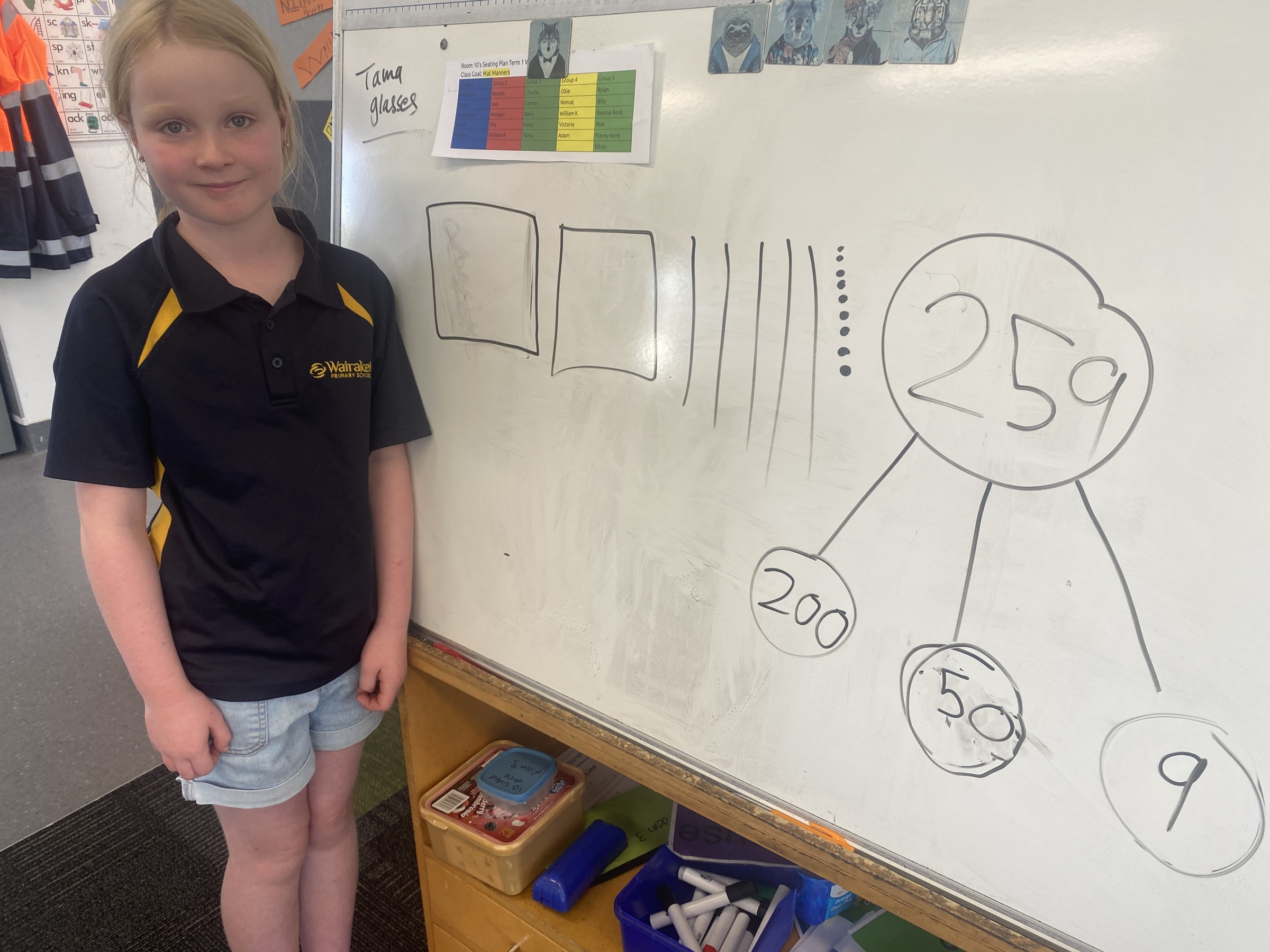
Ella found that in some of her place value diagrams she would write a 5 for the tens. Then she figured out she had to write 50 to show 5 tens.
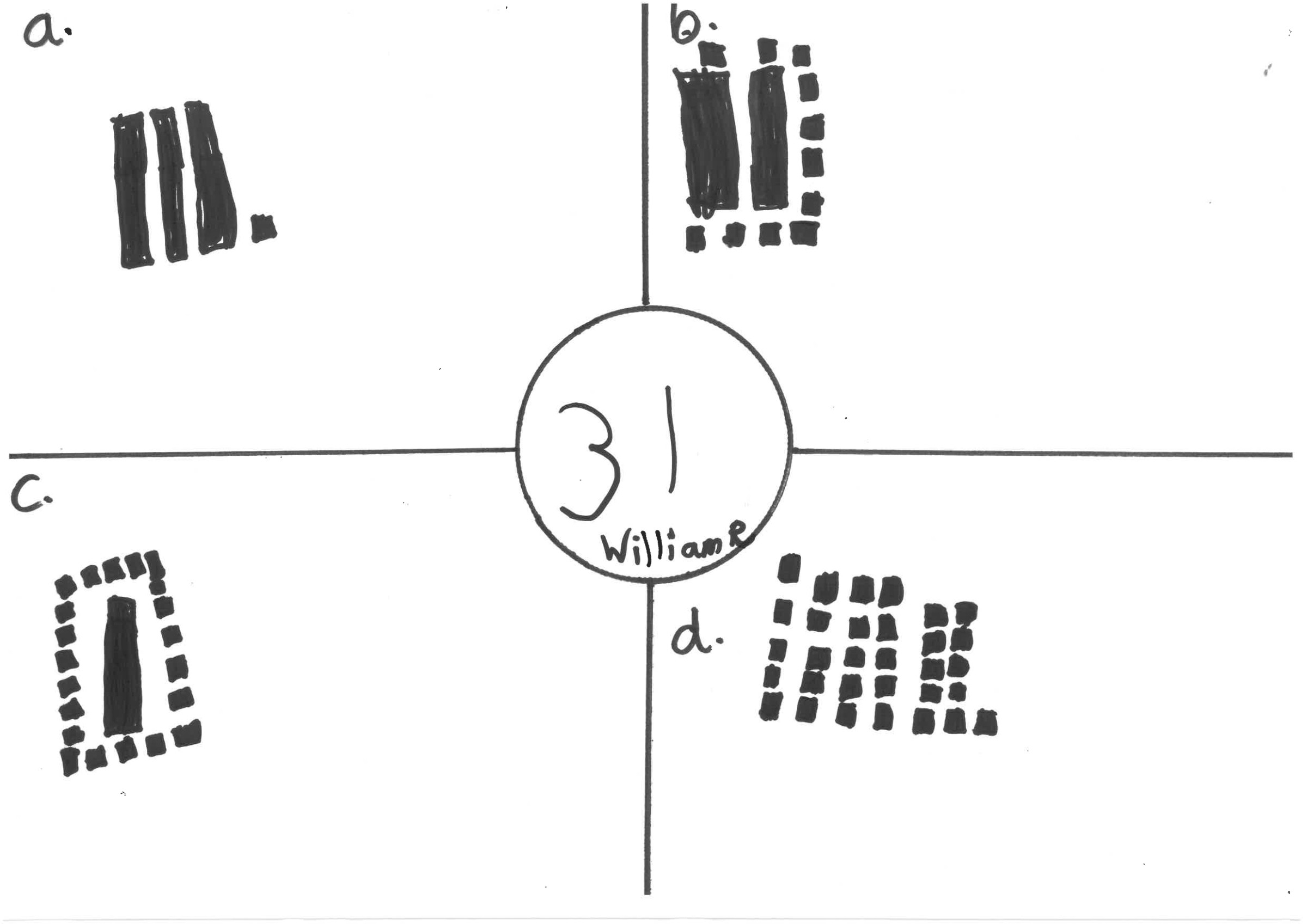
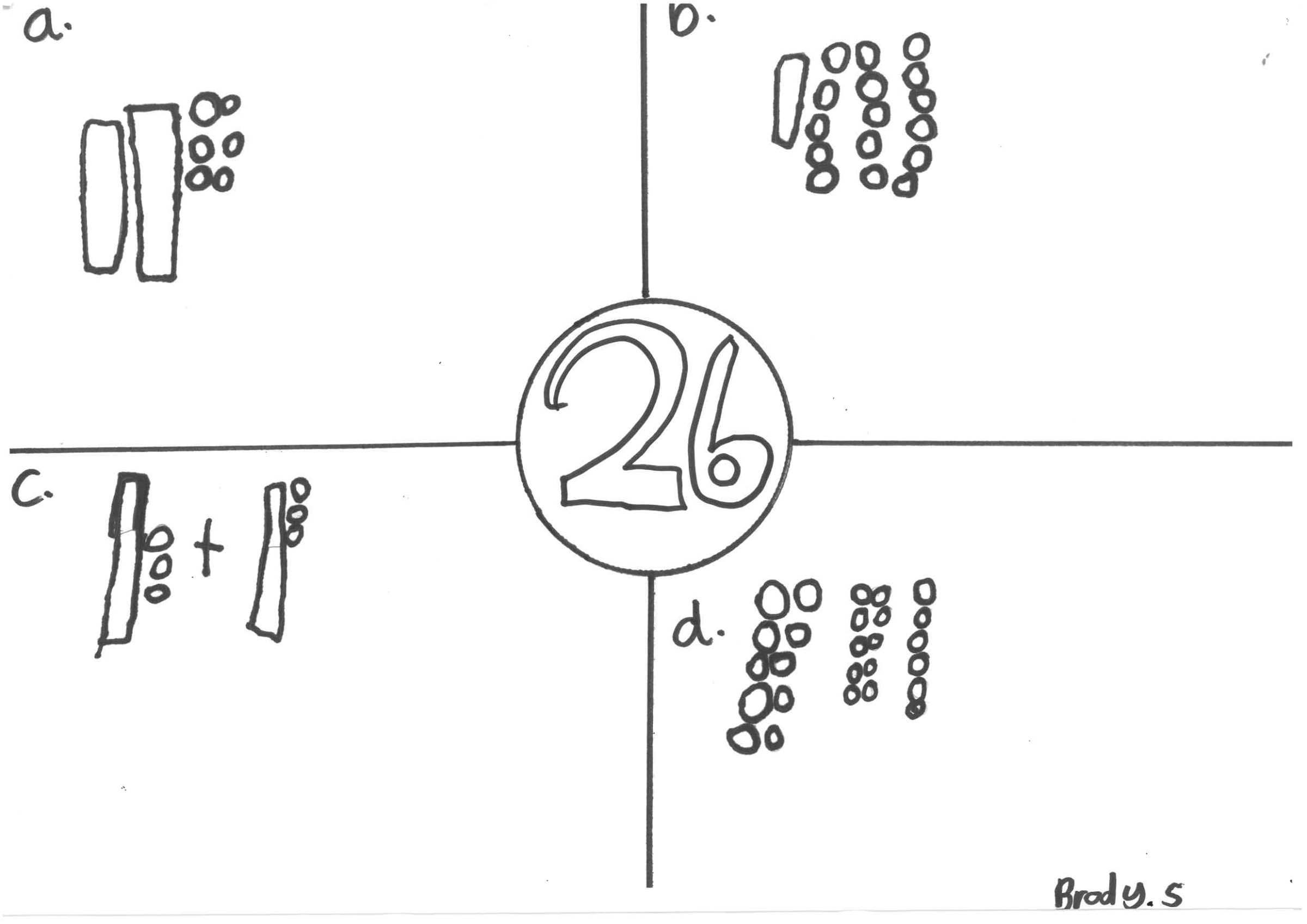
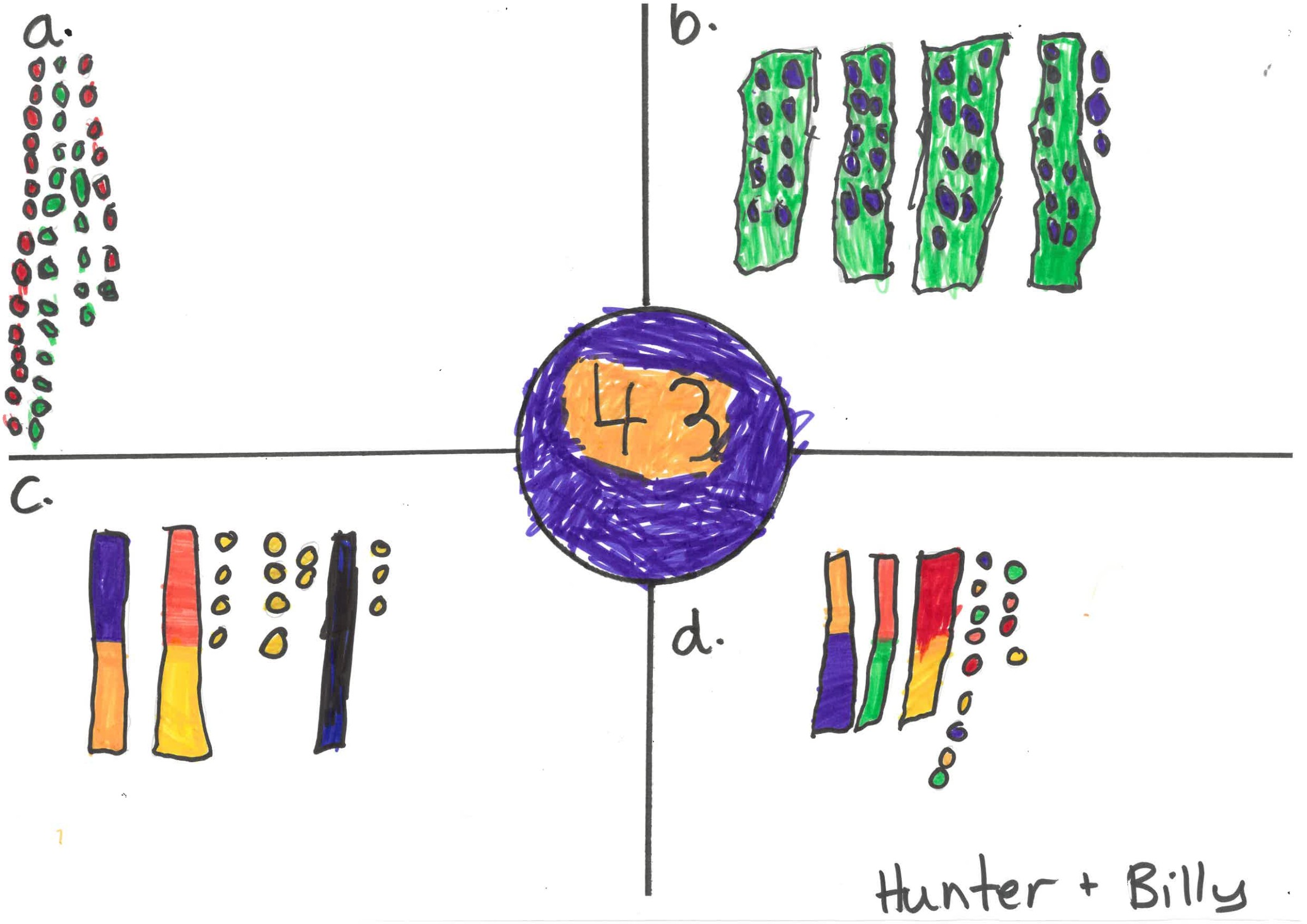
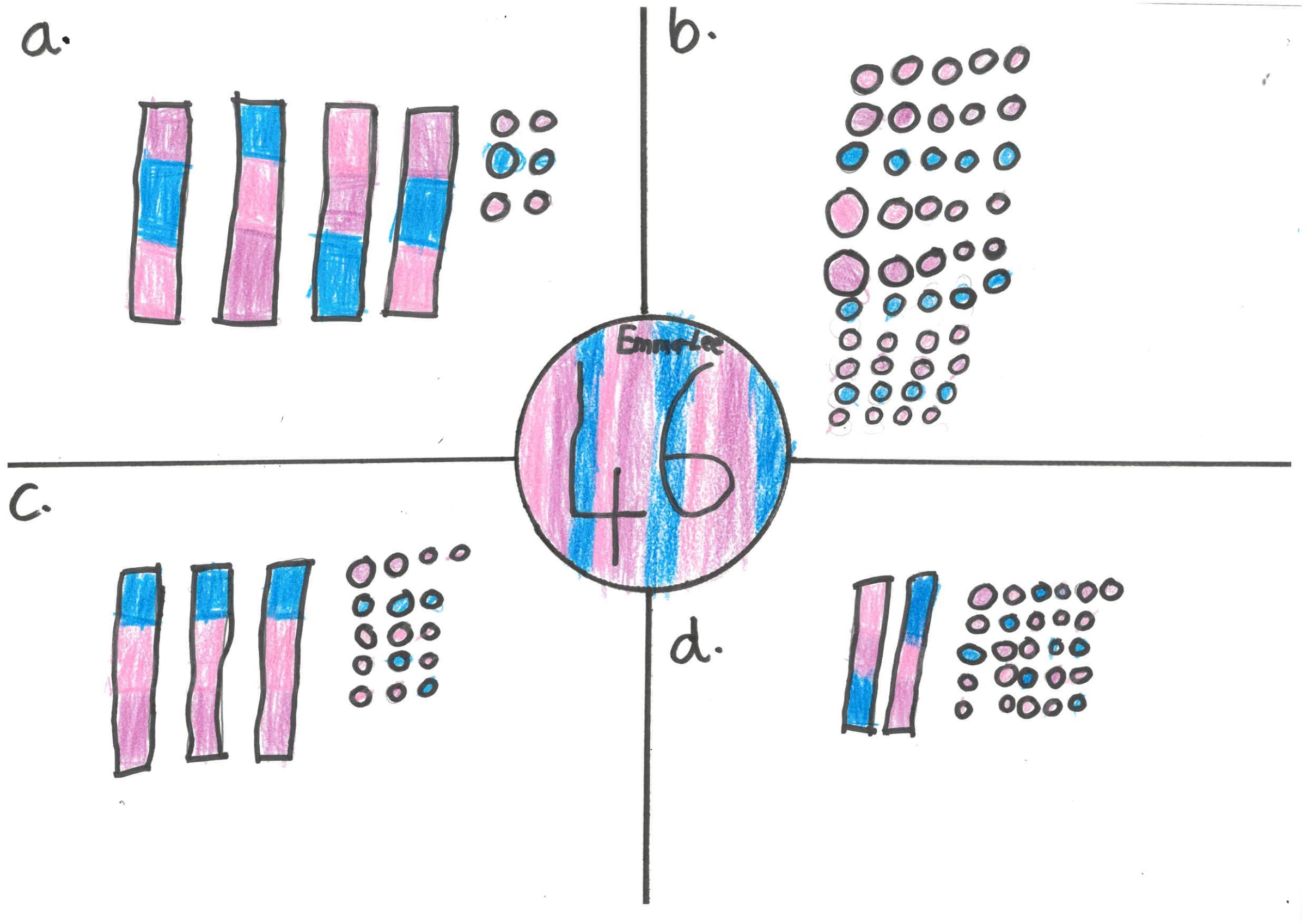
The Great Unnesting Activity
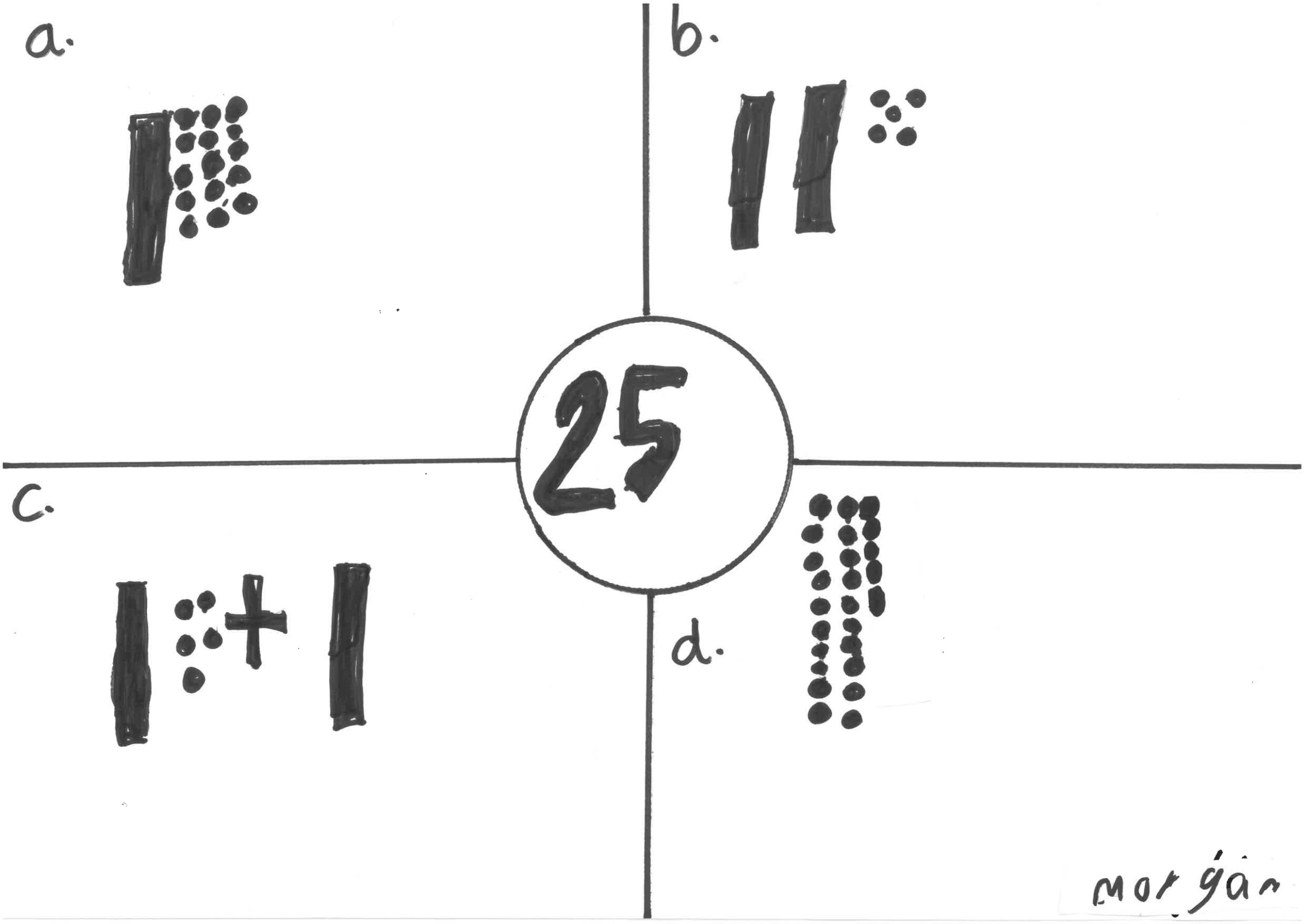
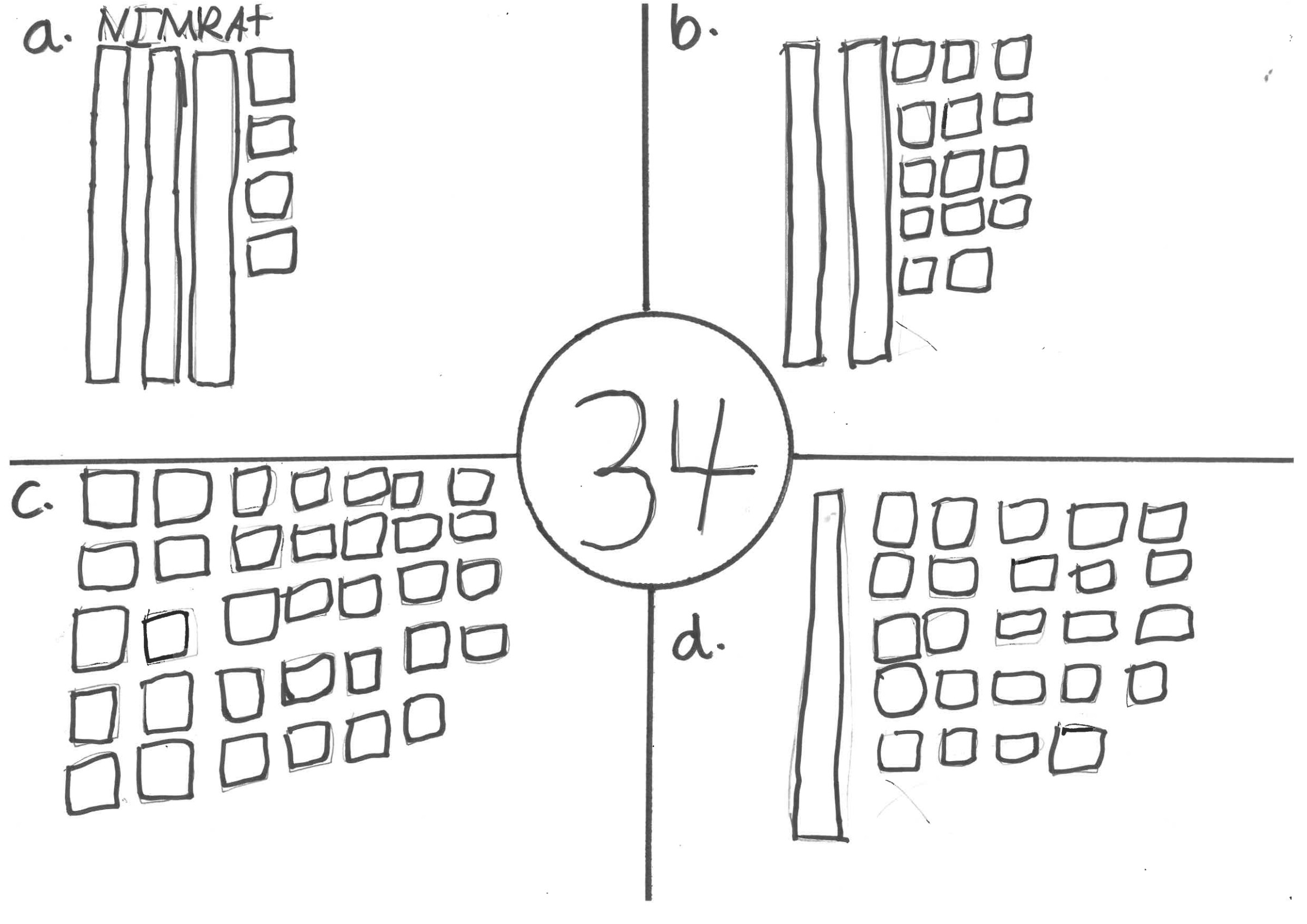
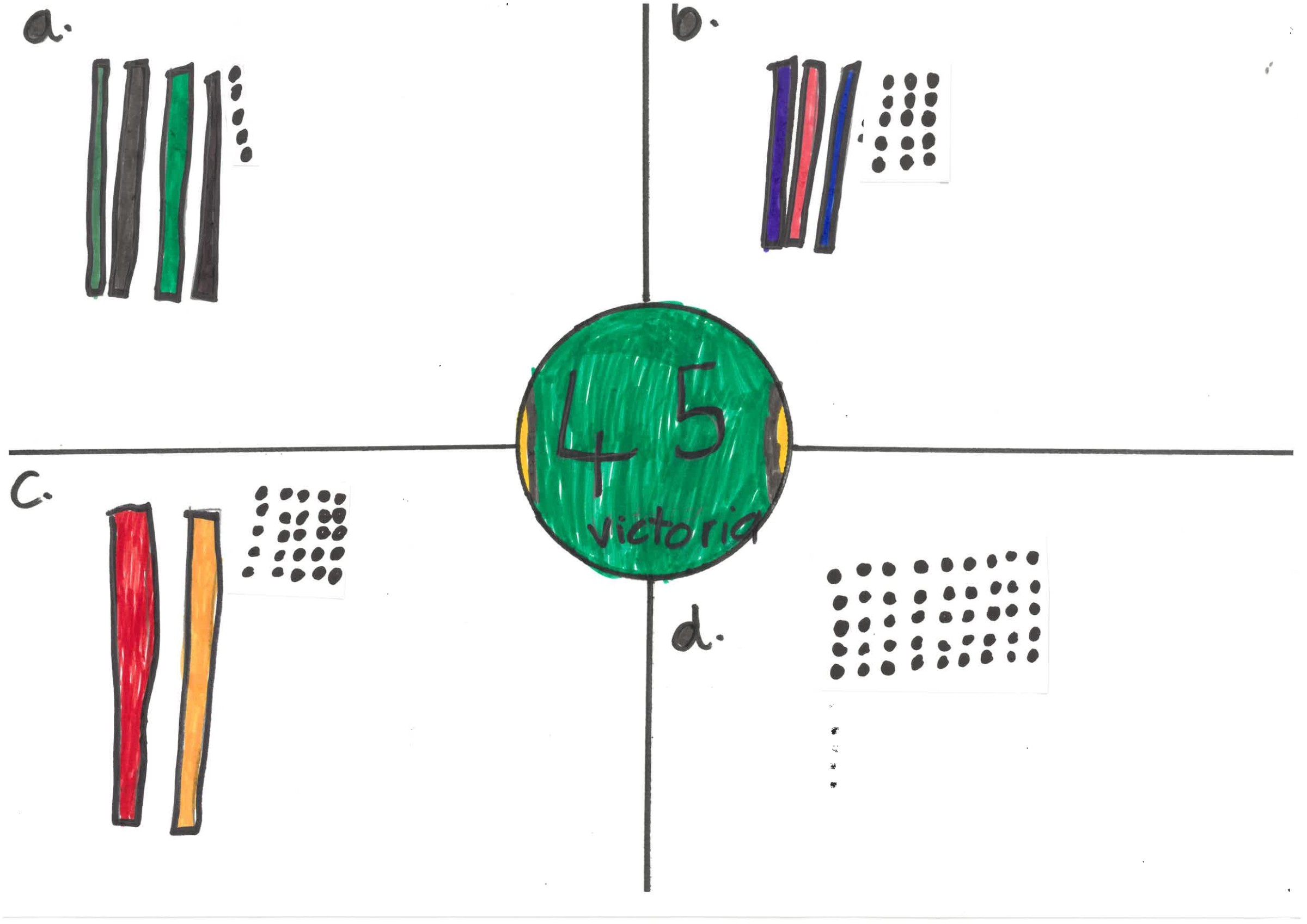
Students were challenged to make a moveNprove based on this example.
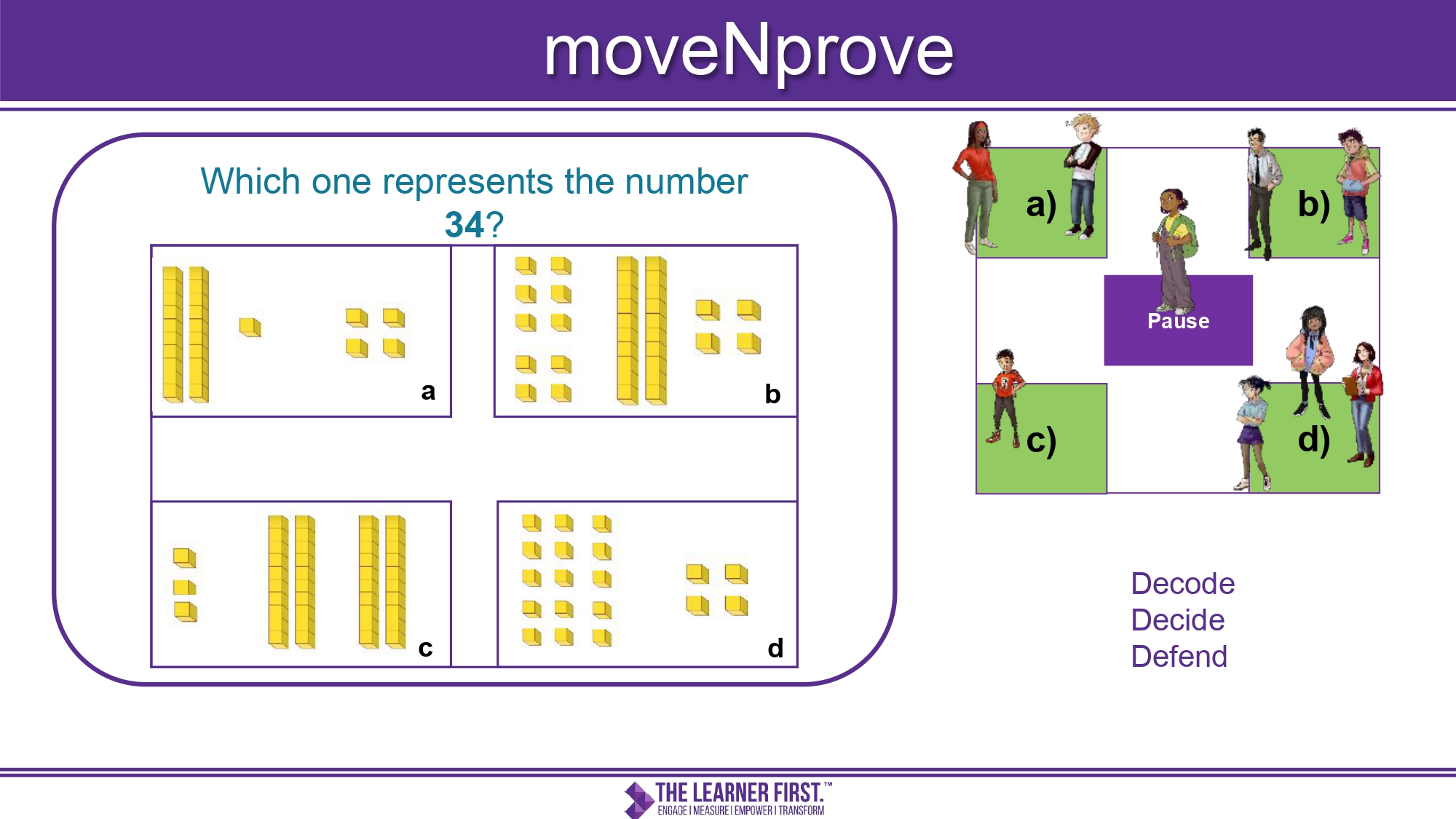
Within the student's example, all four answers had to be different and also correct. Only one of the answers could be the traditional nested place value illustration; the other three answers had to be unnested illustrations of their number.
William had made his own moveNprove questions before where you have one right answer and three incorrect answers. He found making four correct with different answers more challenging.
Morgan found that if you used too small of a two digit number it was impossible to make four different answers. He worked out that by using a number in the thirties or bigger actually made the activity easier.
Morgan also came up with an explanation for why we call the different views of place value nested and unnested. “I get why they call it nested and unnested because the nested one is tidy like in the nest, and the other one is untidy like it is out of the nest.”
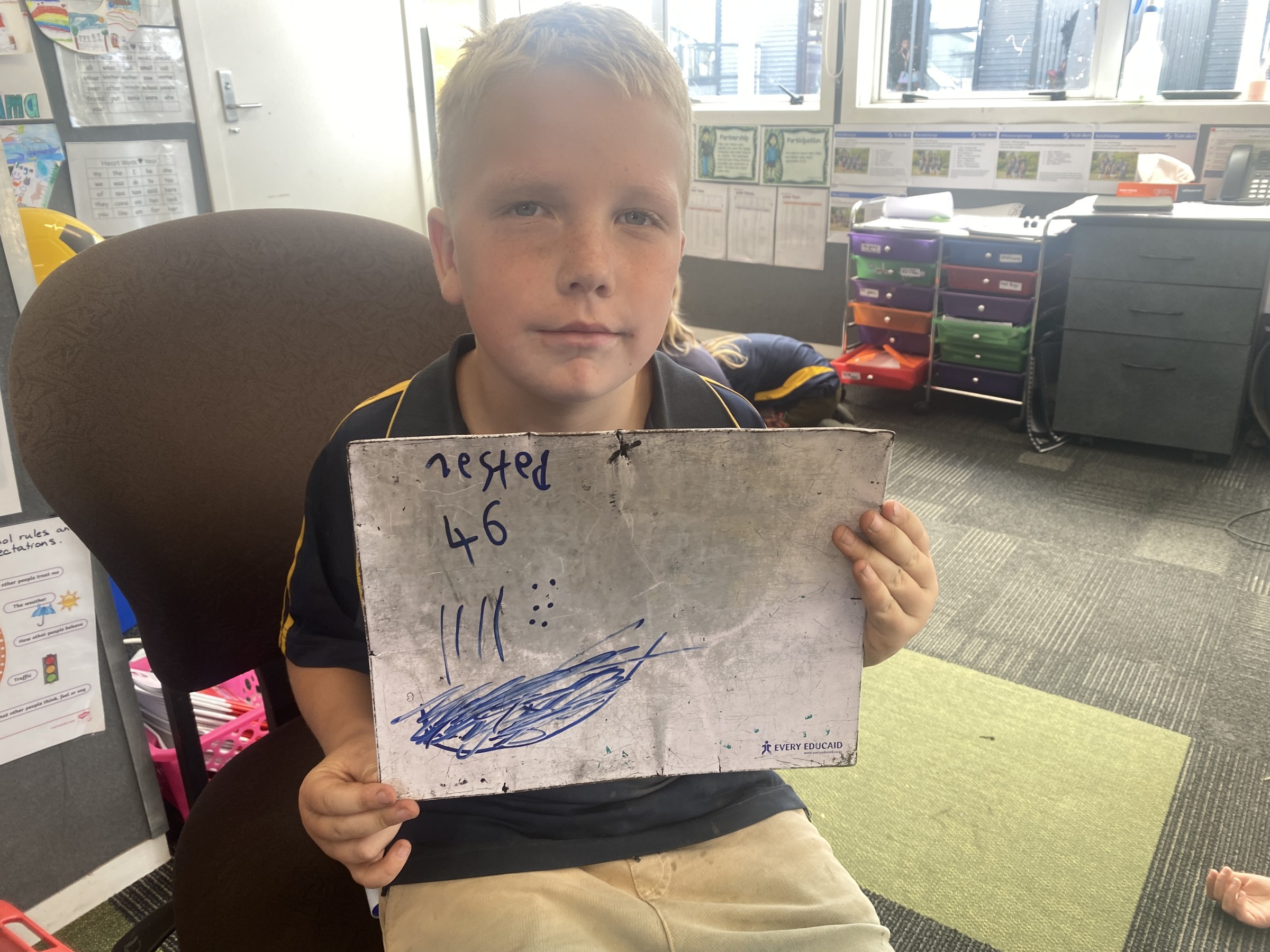
Brody made a mistake with one of his unnested pictures because he lost count with the ones symbols. He fixed it by carefully grouping all the one symbols into groups of ten. “I fixed my mistake with a patch”.
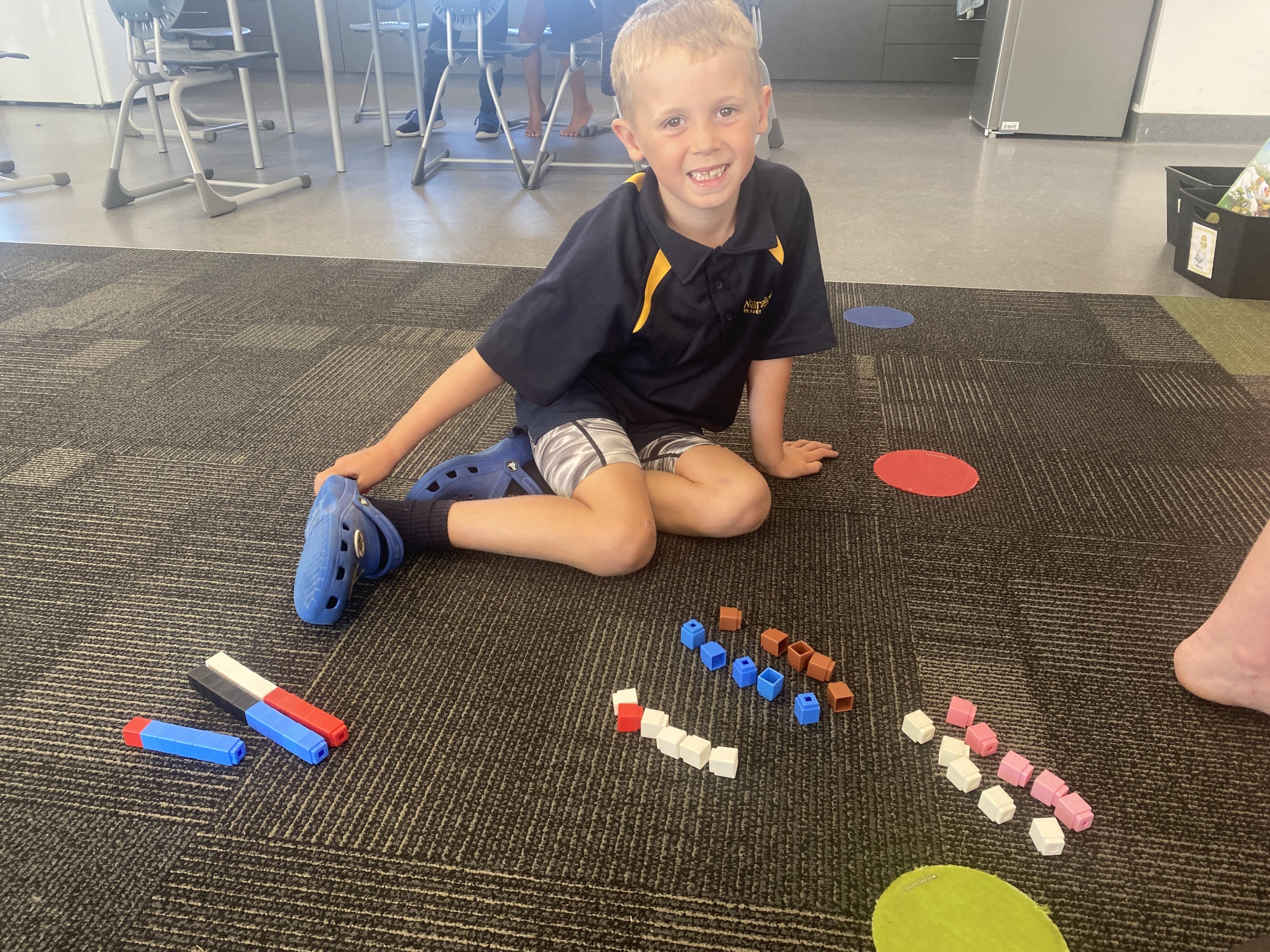
Emma-Lee realised that by making the ten symbols different sizes it made it confusing for others reading her moveNprove. She discovered she needed to make the symbols the same size, or else they wouldn’t look like the same value.
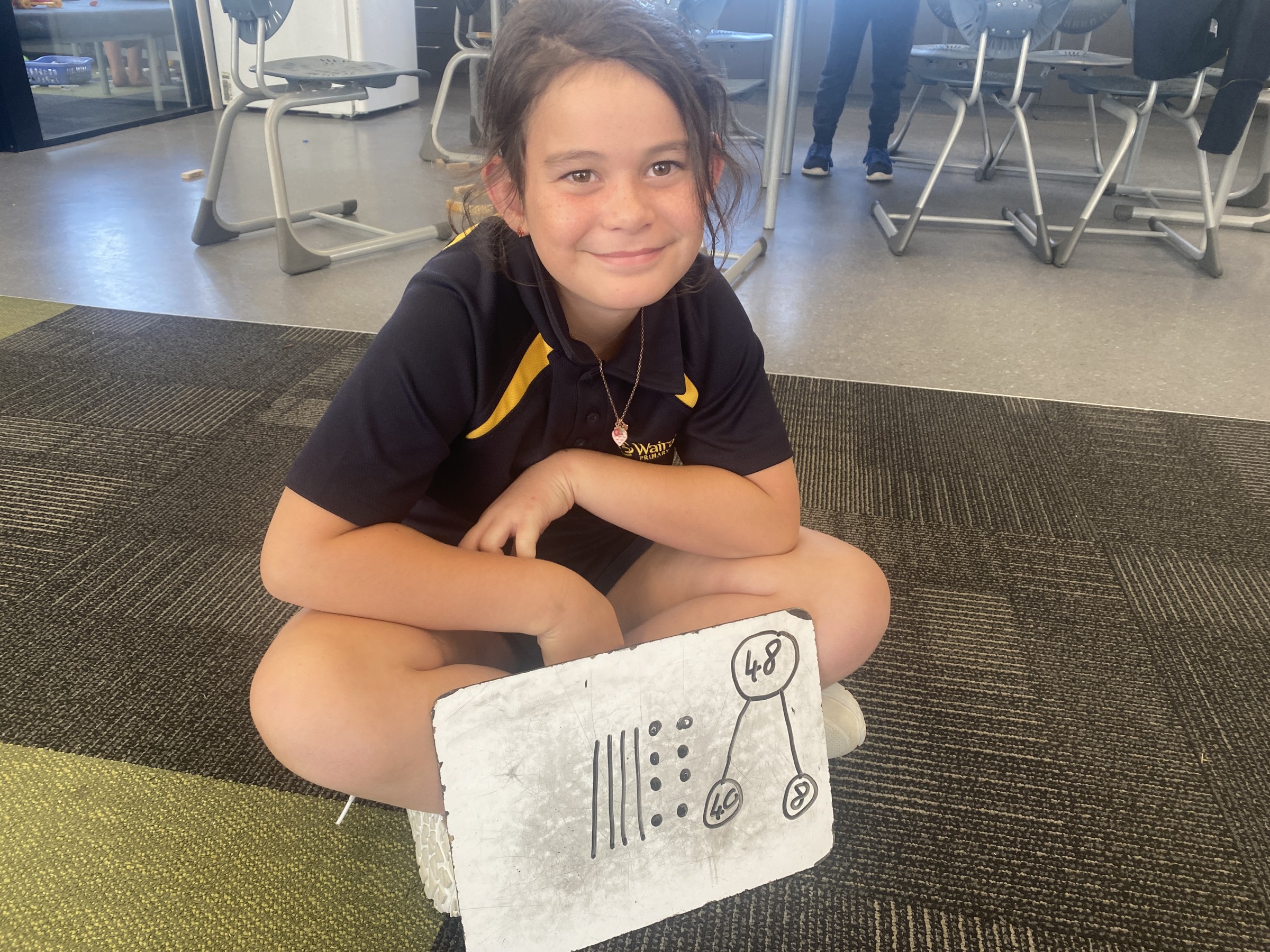
Victoria was also able to explain why it was important to have clear place value symbols in her moveNprove “We had to make sure that our place value symbols were clear and could be easily counted so others could figure out our moveNproves.”


Every child deserves to feel valued, respected, and genuinely cared for by their teacher. Creating a classroom where students feel safe, supported, and confident to learn is at the heart of my teaching practice.
I have a passion for all areas of learning, with a particular enthusiasm for mathematics. I enjoy supporting students to make meaningful connections between mathematical ideas, recognise patterns, and develop a deep understanding of how our number system works.
In my classroom, students are encouraged to be brave, collaborative, and open to new challenges. It is a space where taking risks is celebrated, reflection is valued, and success, big or small, is recognised.
Outside of school, I enjoy mountain biking and staying active with my energetic dog, which helps me bring energy and balance to a busy classroom environment. Supporting students to grow, learn, and thrive is at the centre of everything I do, and I am excited to continue this journey at Wairakei Primary School.

Comments
No one has commented on this post yet.